
Kindergarten Subtraction Stories With Toys
Explore kindergarten subtraction with toy stories. Help your child model taking away, count what remains, and connect the action to a simple equation.
 Join the waitlist
For parents & educators
Playful activities, practical guidance and ways to learn together.
Explore kindergarten subtraction with toy stories. Help your child model taking away, count what remains, and connect the action to a simple equation.

Teach preschool positional words with a toy bear, a box, and playful directions. Help your child explore in, on, under, beside, and behind through action.
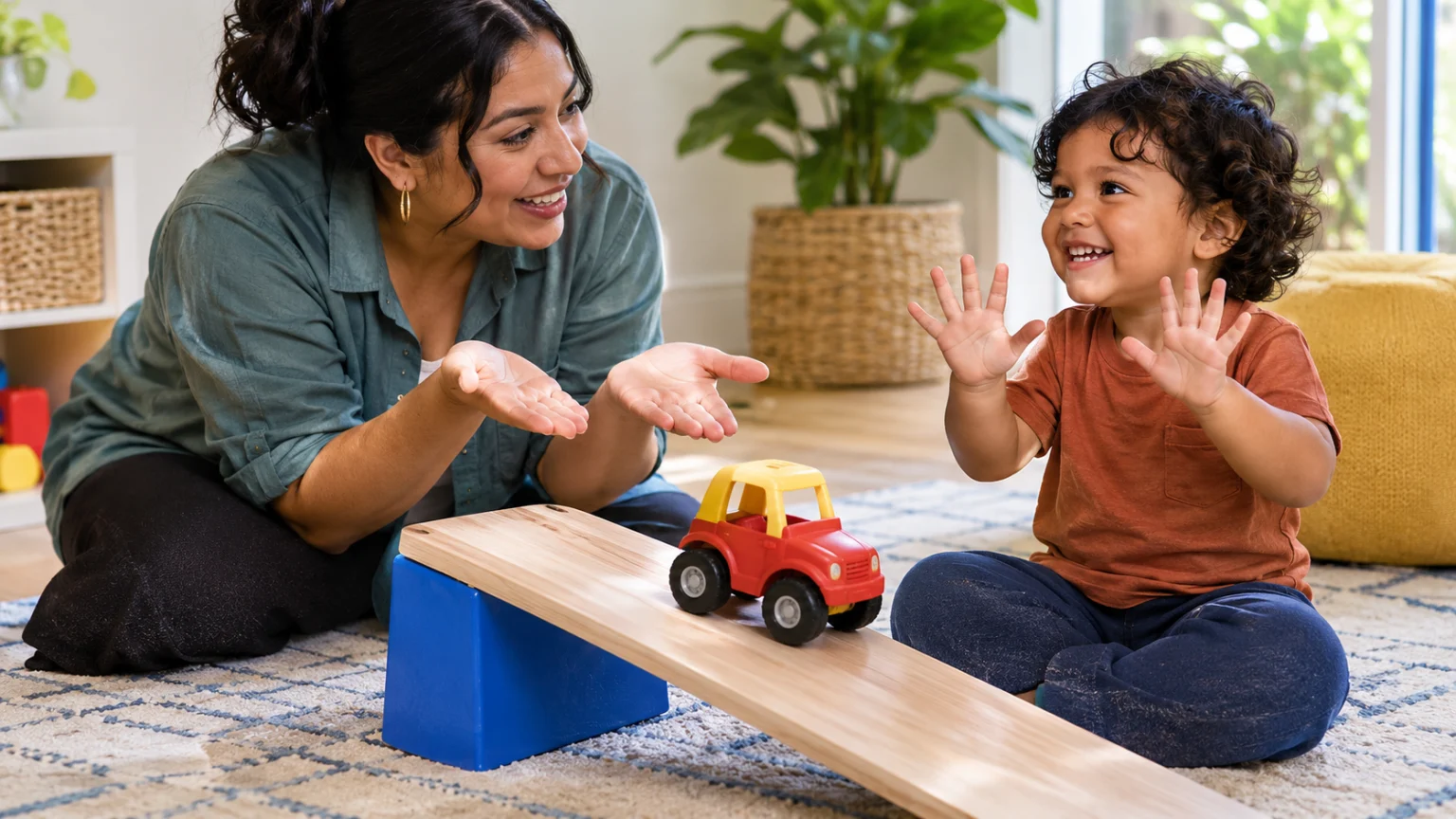
Help toddlers communicate more and all done during play. Use gestures, simple phrases, and responsive turns to support clear choices without pressure.
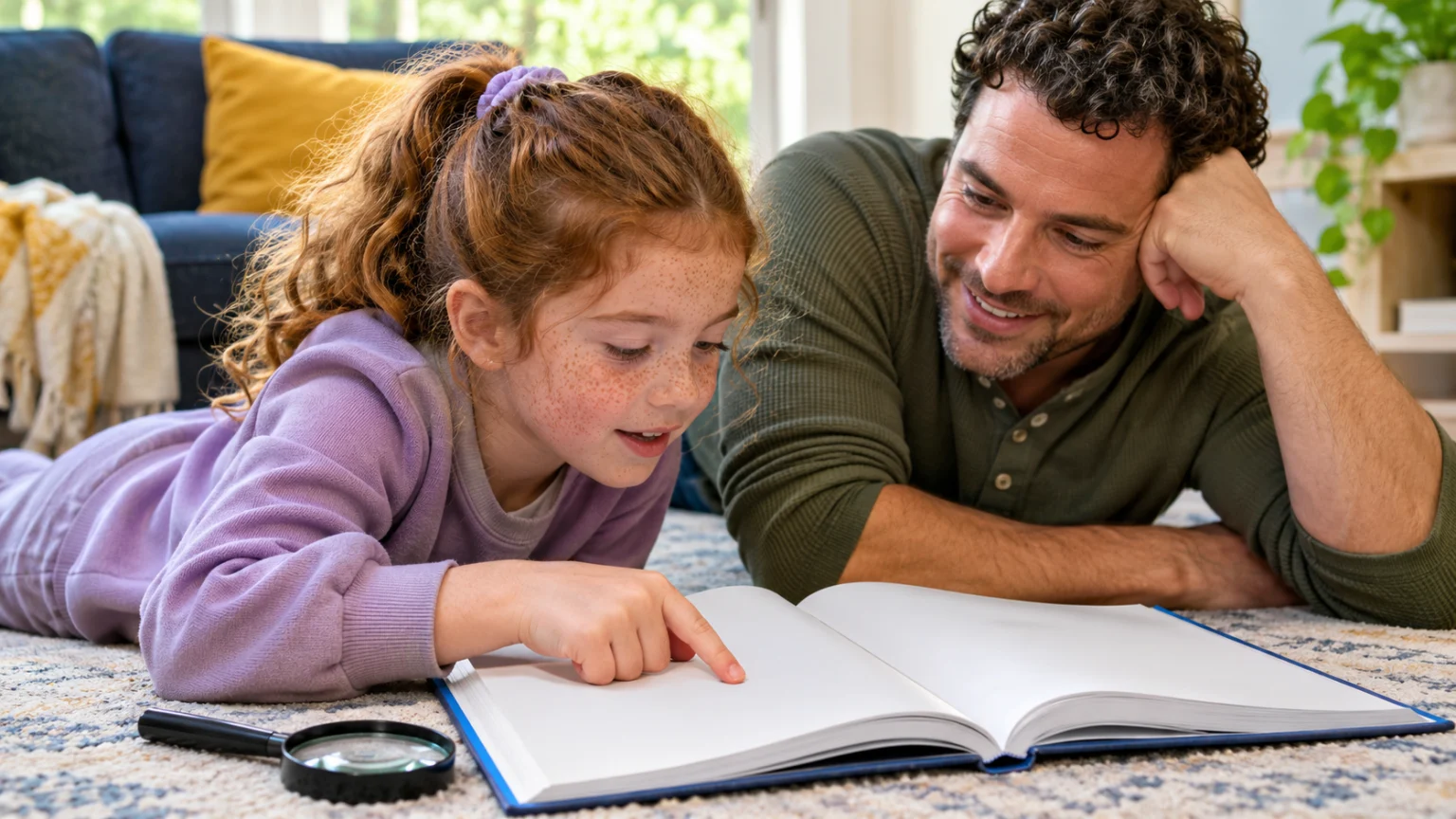
Teach second graders to use context clues by checking nearby words, testing a possible meaning, and explaining which details support their interpretation.
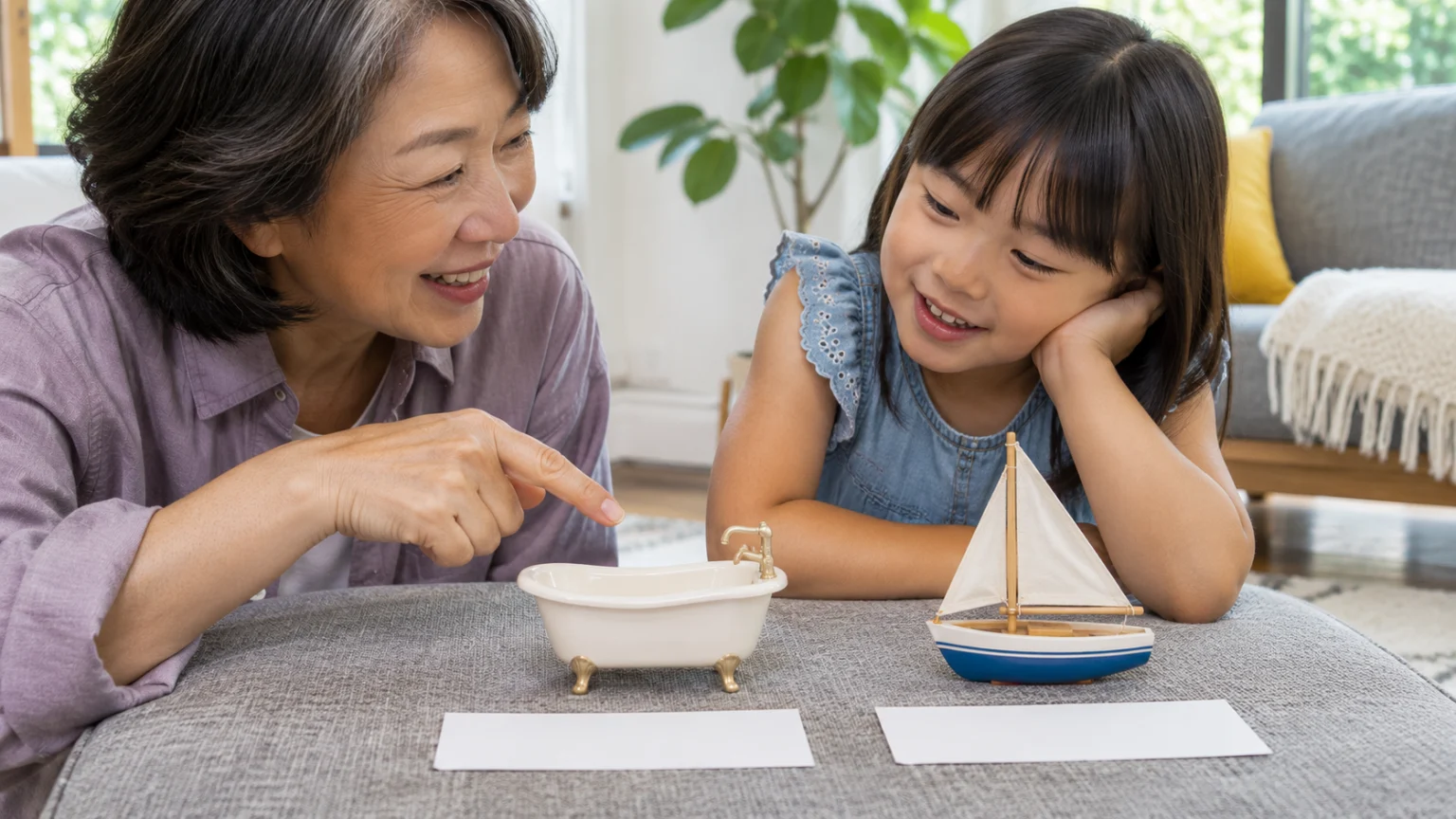
Help first graders read compound words by finding familiar parts, blending each part, and checking the whole word’s meaning in a short sentence together.

Teach kindergarten addition with joining stories, visible objects, and simple equations. Help your child connect a real change in a group to the total.
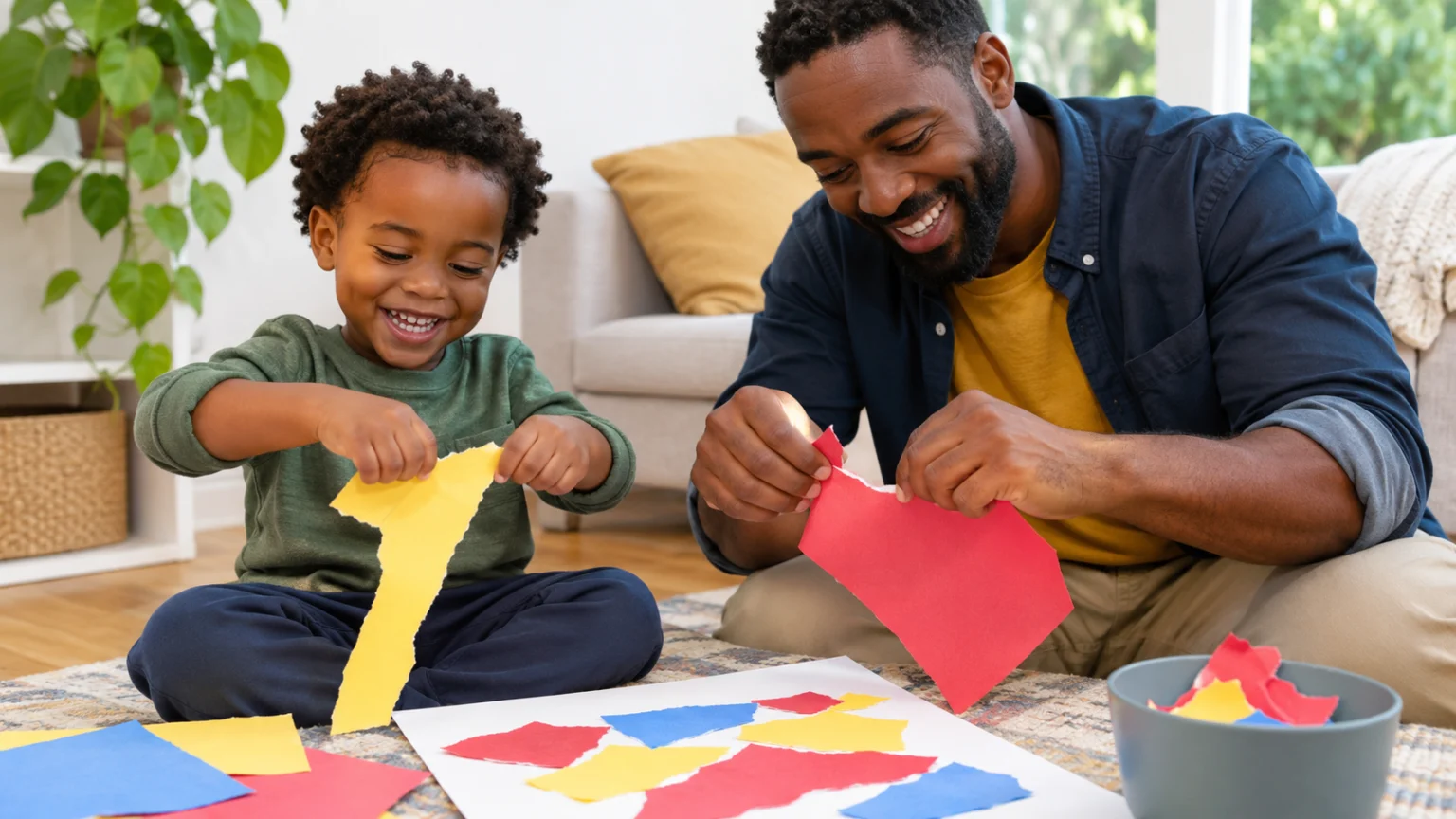
Support preschool scissor readiness with paper tearing, two-handed play, and simple art projects that let your child practice controlled hand movements.
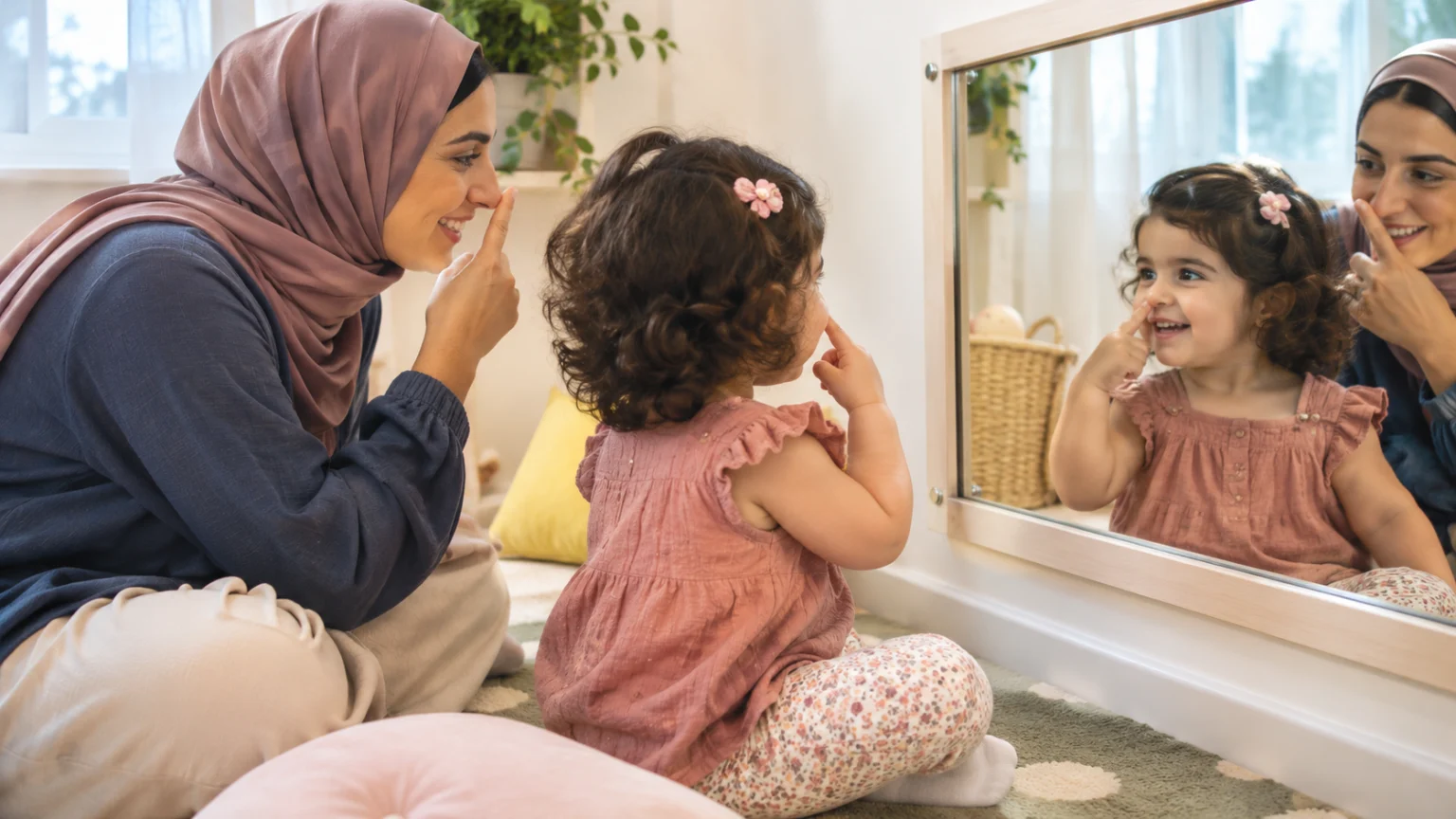
Explore toddler body-part words with a gentle mirror game. Use pointing, simple phrases, and child-led turns to connect familiar words with everyday actions.
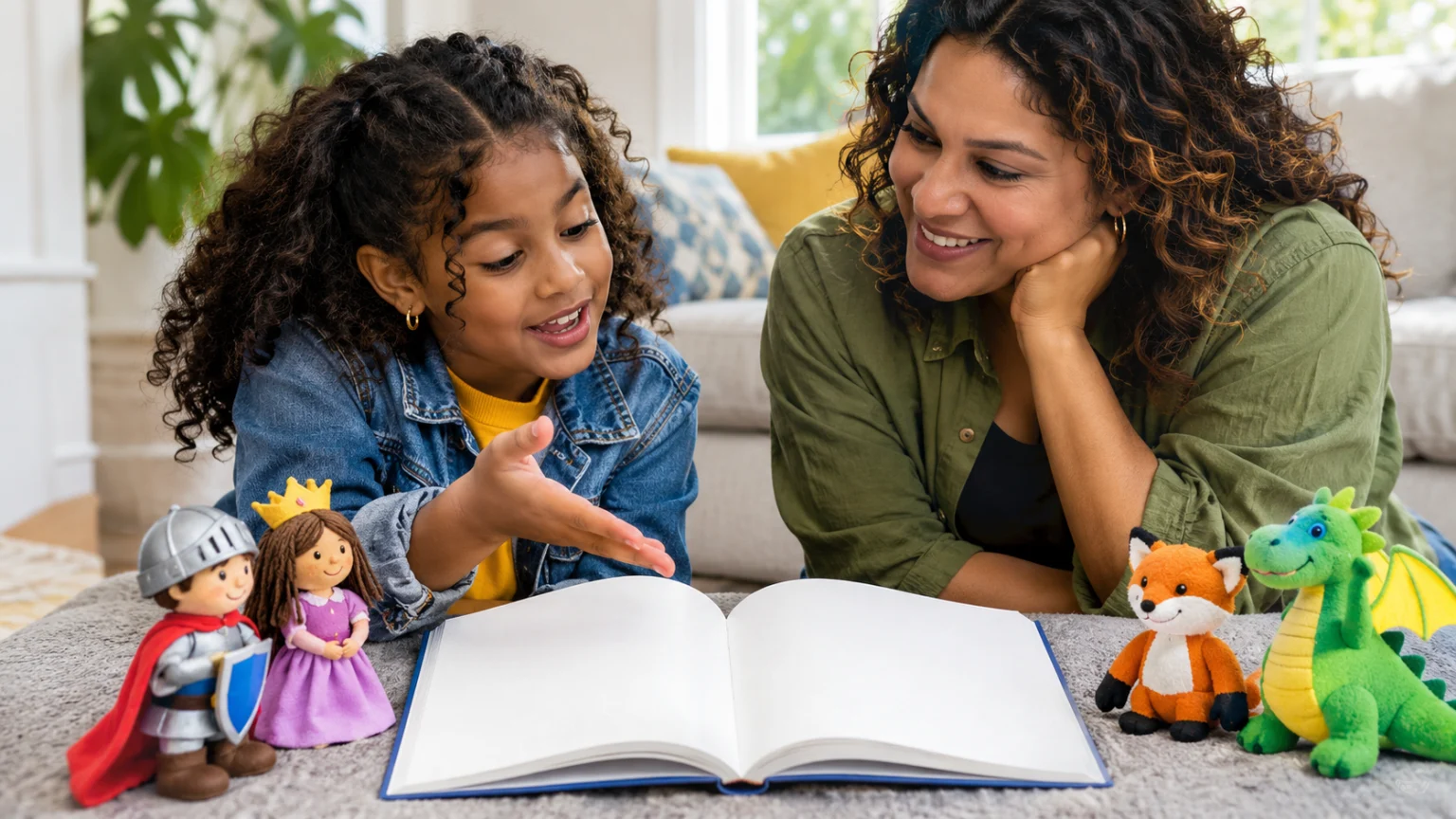
Help second graders describe character traits with evidence. Connect actions and dialogue to thoughtful explanations rather than guessing from appearance.
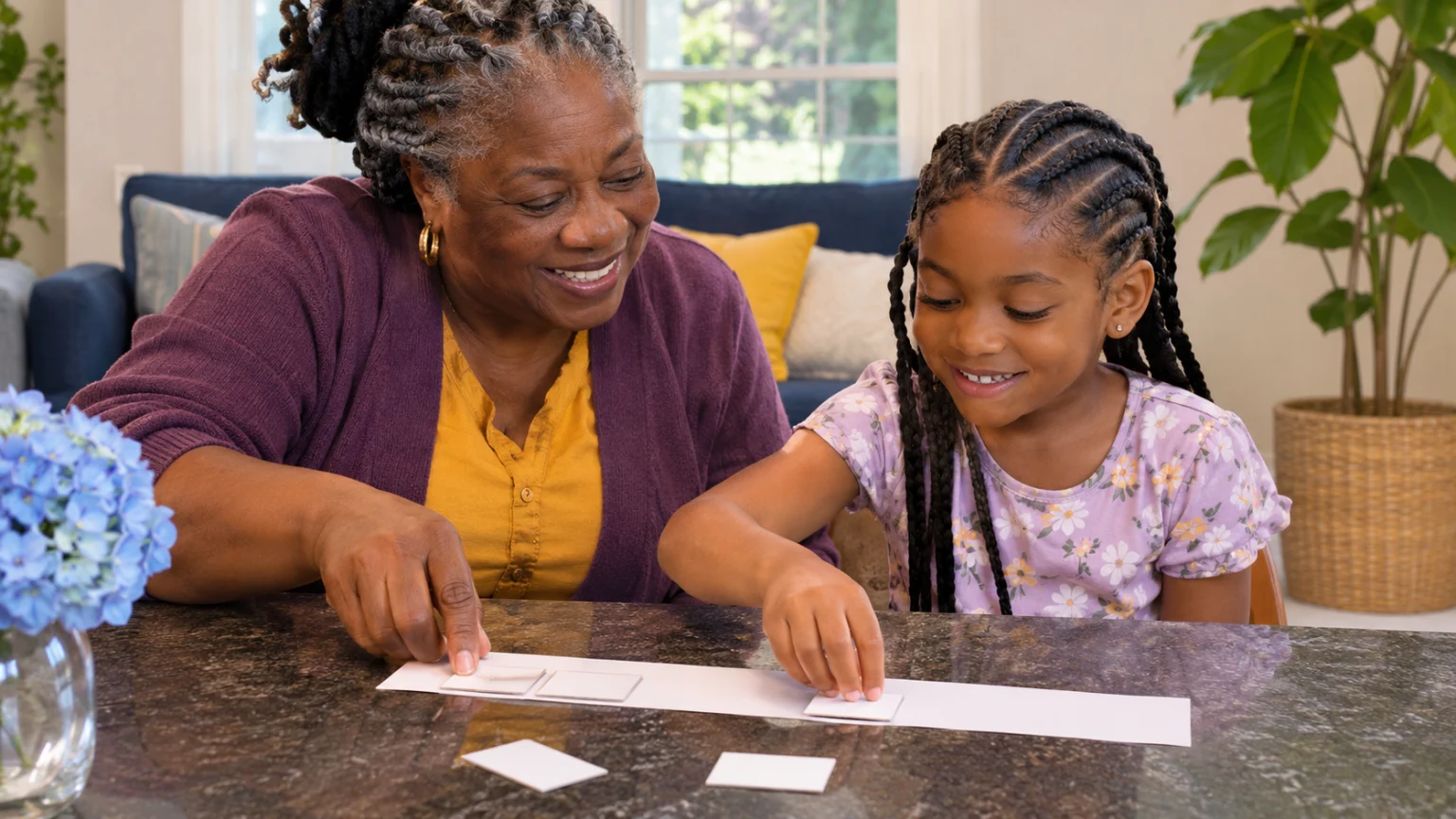
Build first grade short-vowel reading with word chains. Change one sound at a time, connect it to letters, and help your child read each new word carefully.
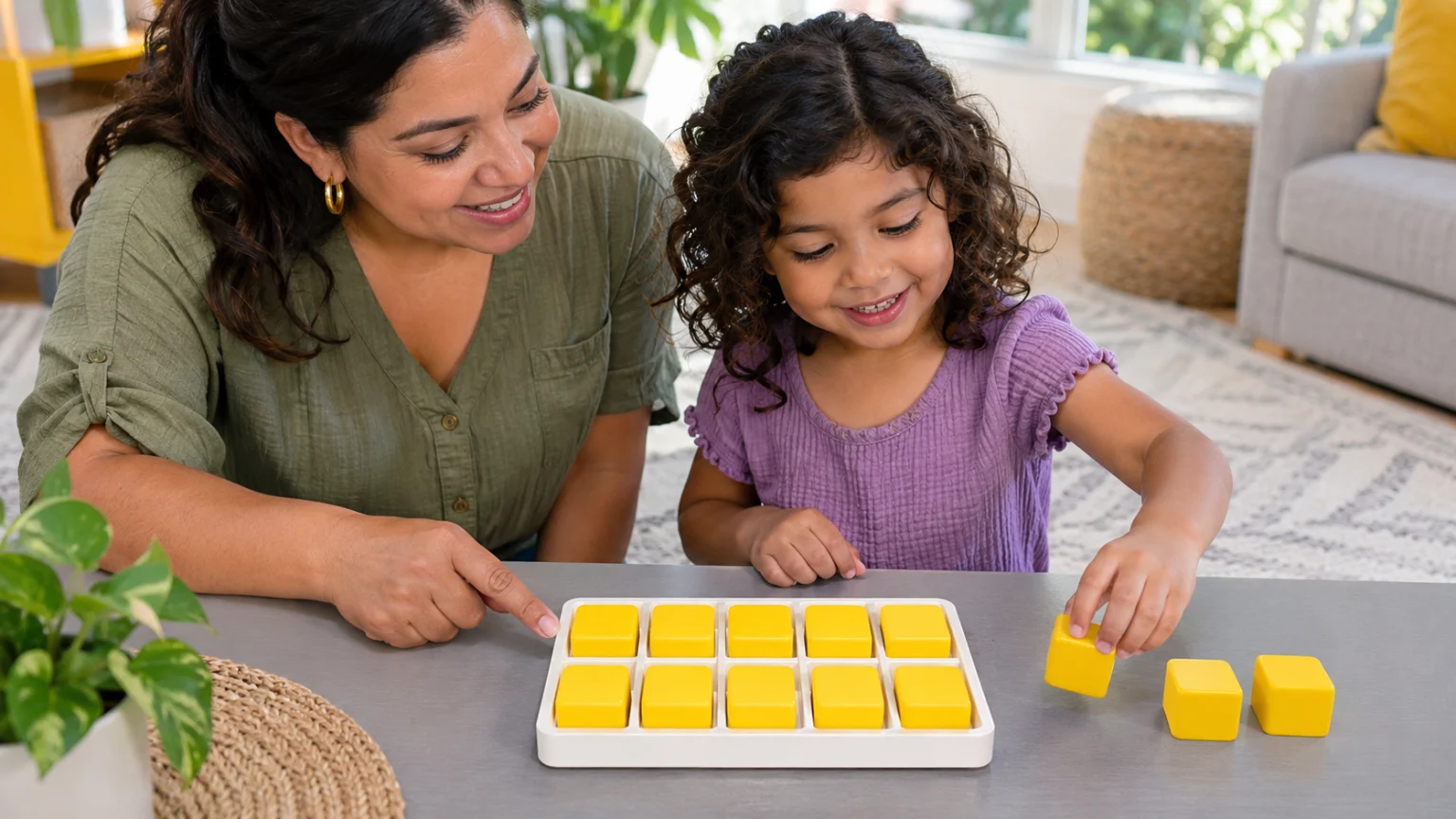
Explore kindergarten teen numbers with a group of ten and extra ones. Use objects, drawings, and clear language to help your child see the number structure.
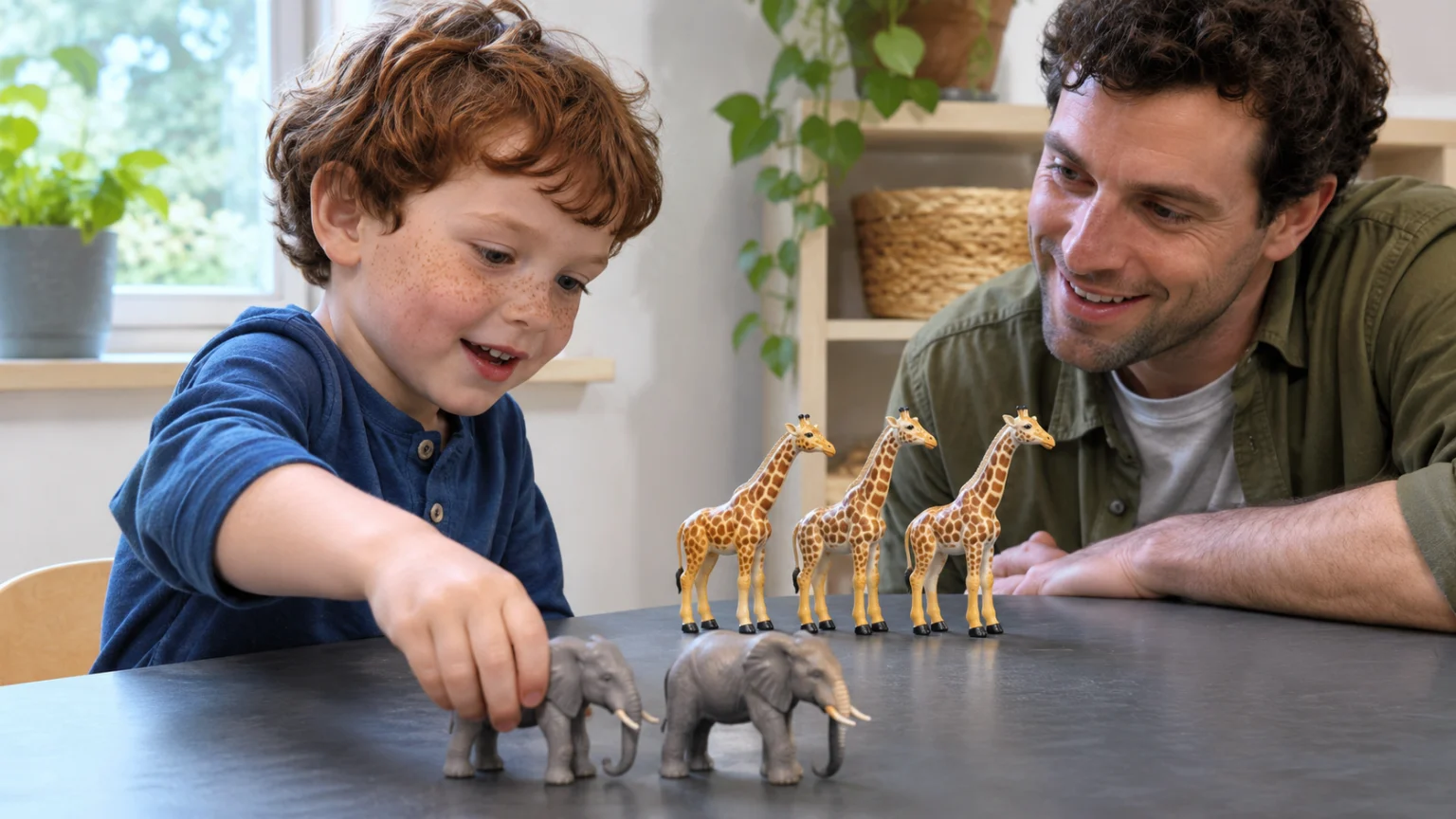
Teach preschoolers more and fewer with toy animals. Use matching pairs, clear comparisons, and playful changes to help your child compare small groups.