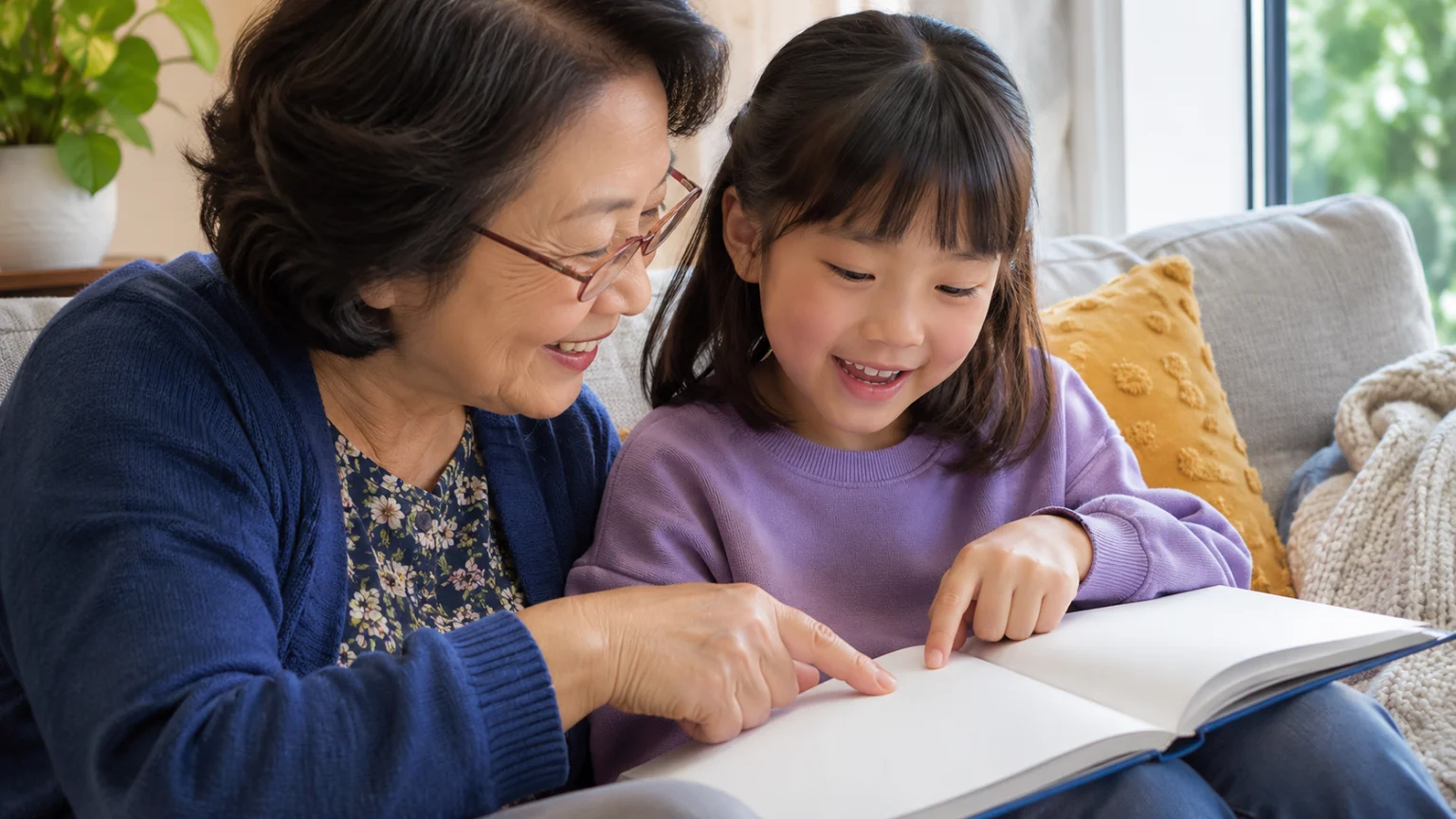
Second Grade Reading Fluency With Purposeful Rereading
Build second grade reading fluency with purposeful rereading. Use short passages, specific feedback, and meaning-focused goals instead of speed alone.
 Join the waitlist
For parents & educators
Playful activities, practical guidance and ways to learn together.
Build second grade reading fluency with purposeful rereading. Use short passages, specific feedback, and meaning-focused goals instead of speed alone.
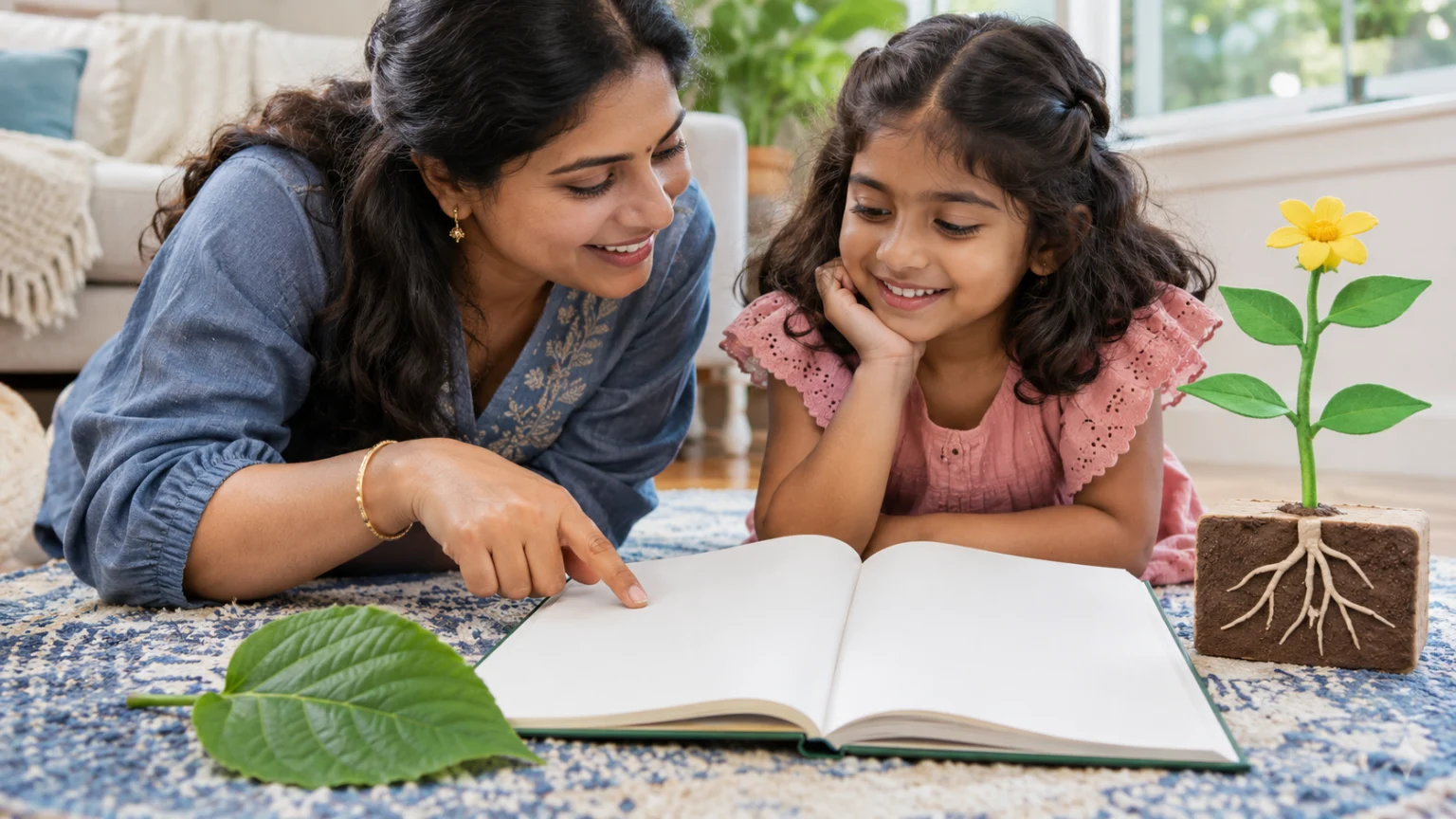
Build first grade nonfiction understanding with headings, captions, and diagrams. Help your child ask questions and find answers in the text features.
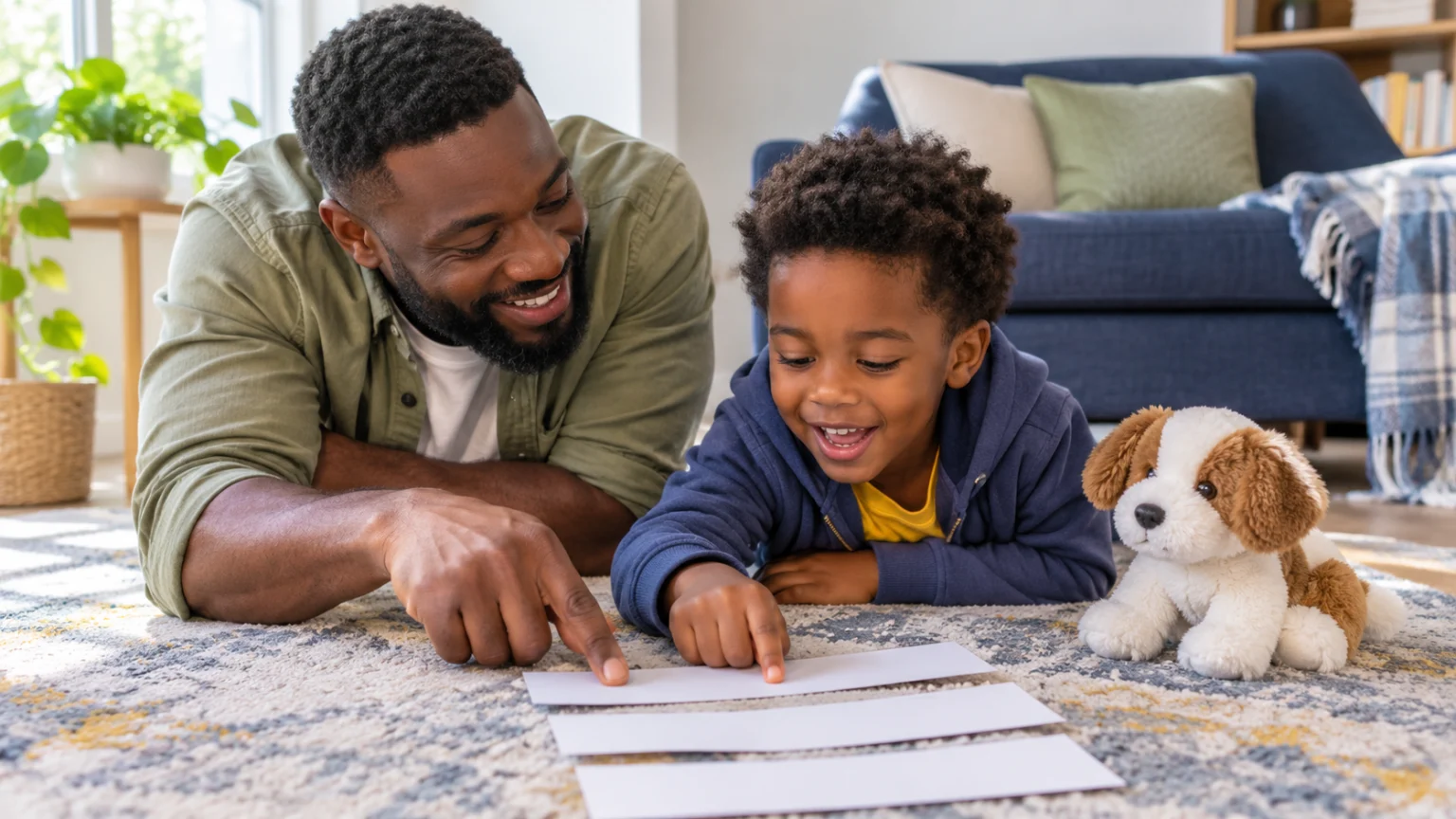
Practice kindergarten sight words in decodable sentences. Connect sounds and spellings, explain tricky parts, and keep accurate reading tied to meaning.
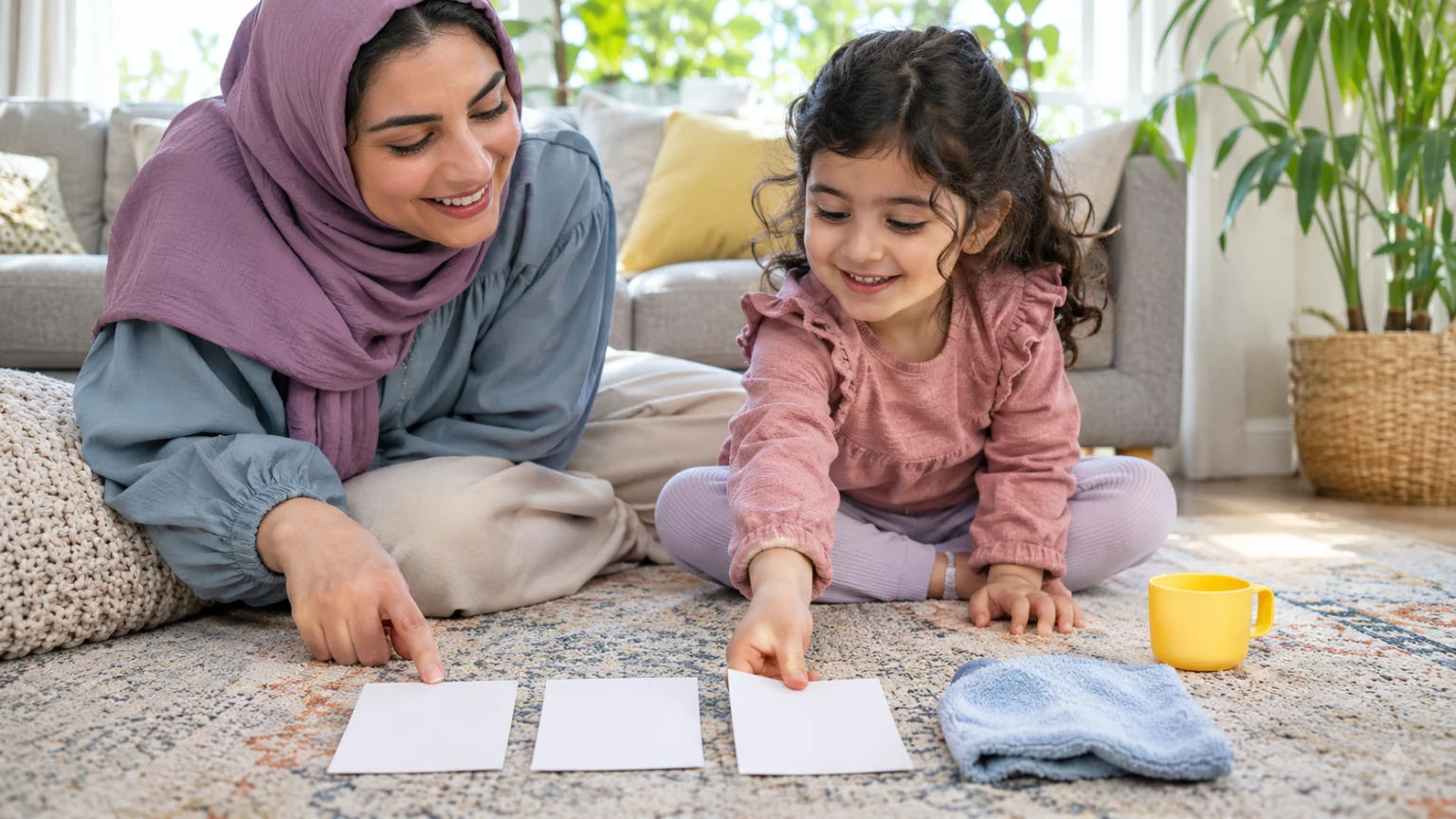
Build preschool story sequencing with three familiar photos. Help your child describe first, next, and last through everyday events they know well.
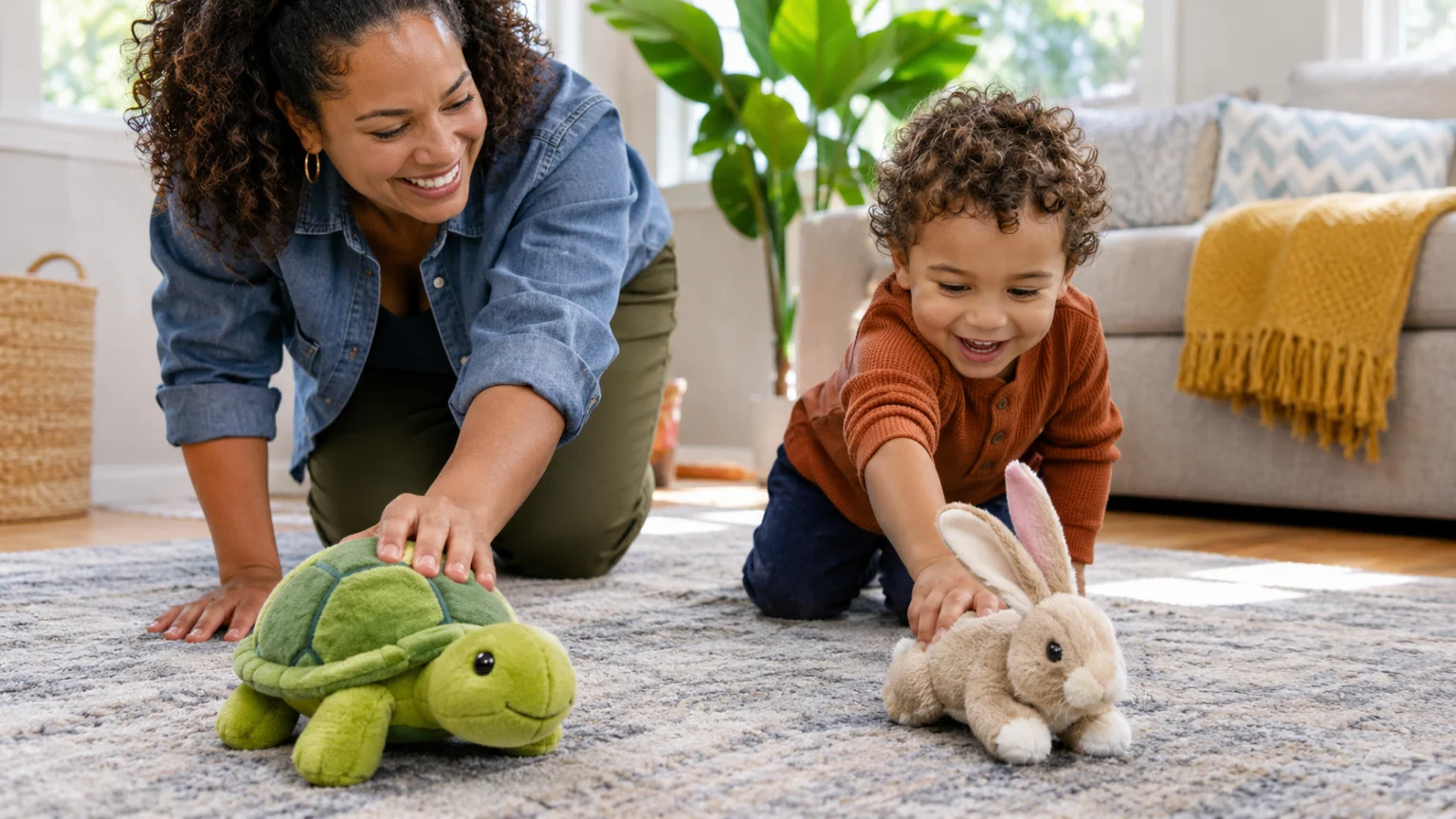
Explore fast and slow with toddler movement games. Use safe floor space, clear action words, and playful contrasts your child can see and try with you.
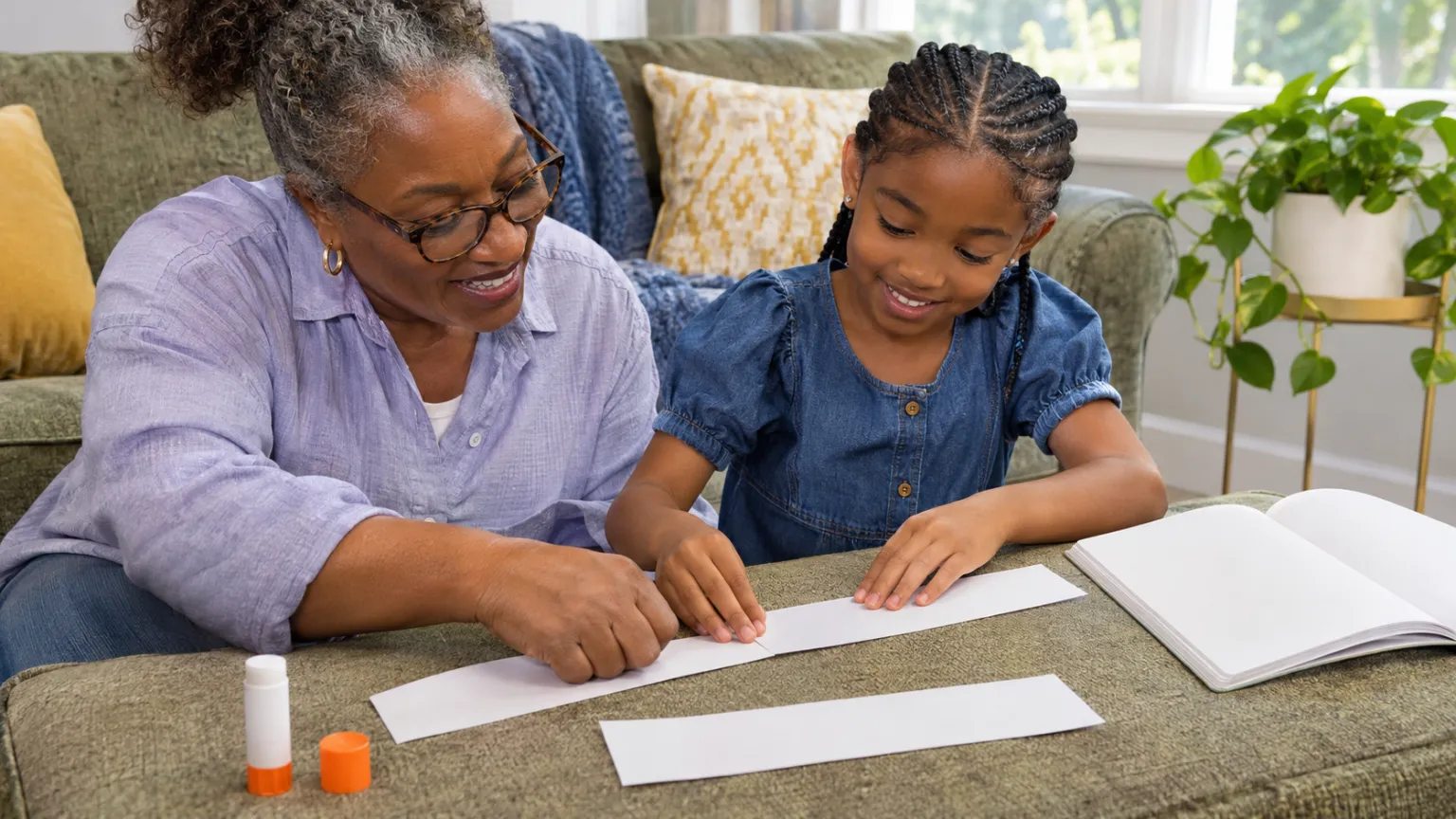
Help second graders read words with common suffixes by finding the base, checking spelling changes, and connecting the ending with meaning in a sentence.
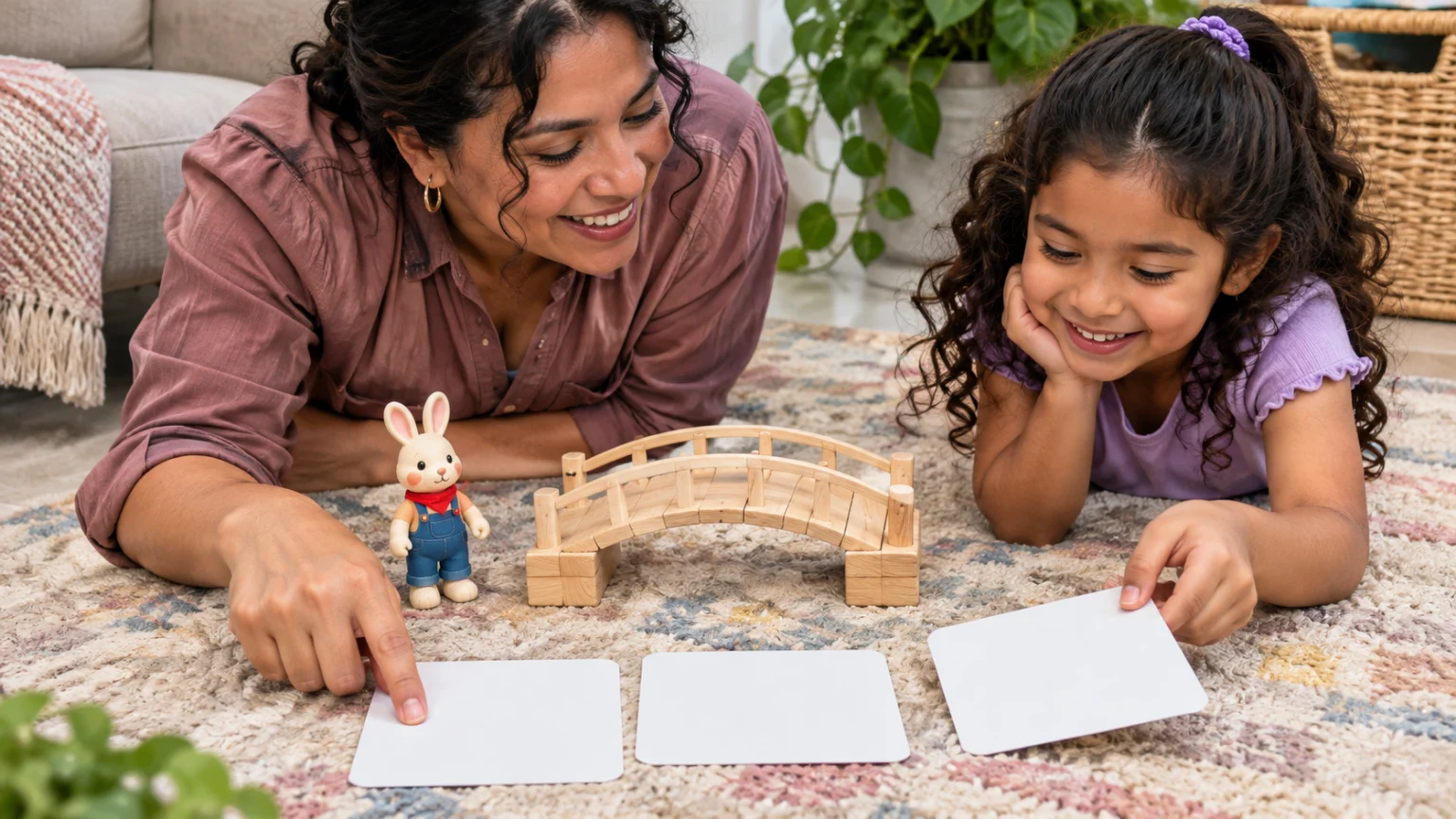
Teach first graders to find a story’s problem and solution through character goals, key events, and text evidence that supports a clear retelling at home.
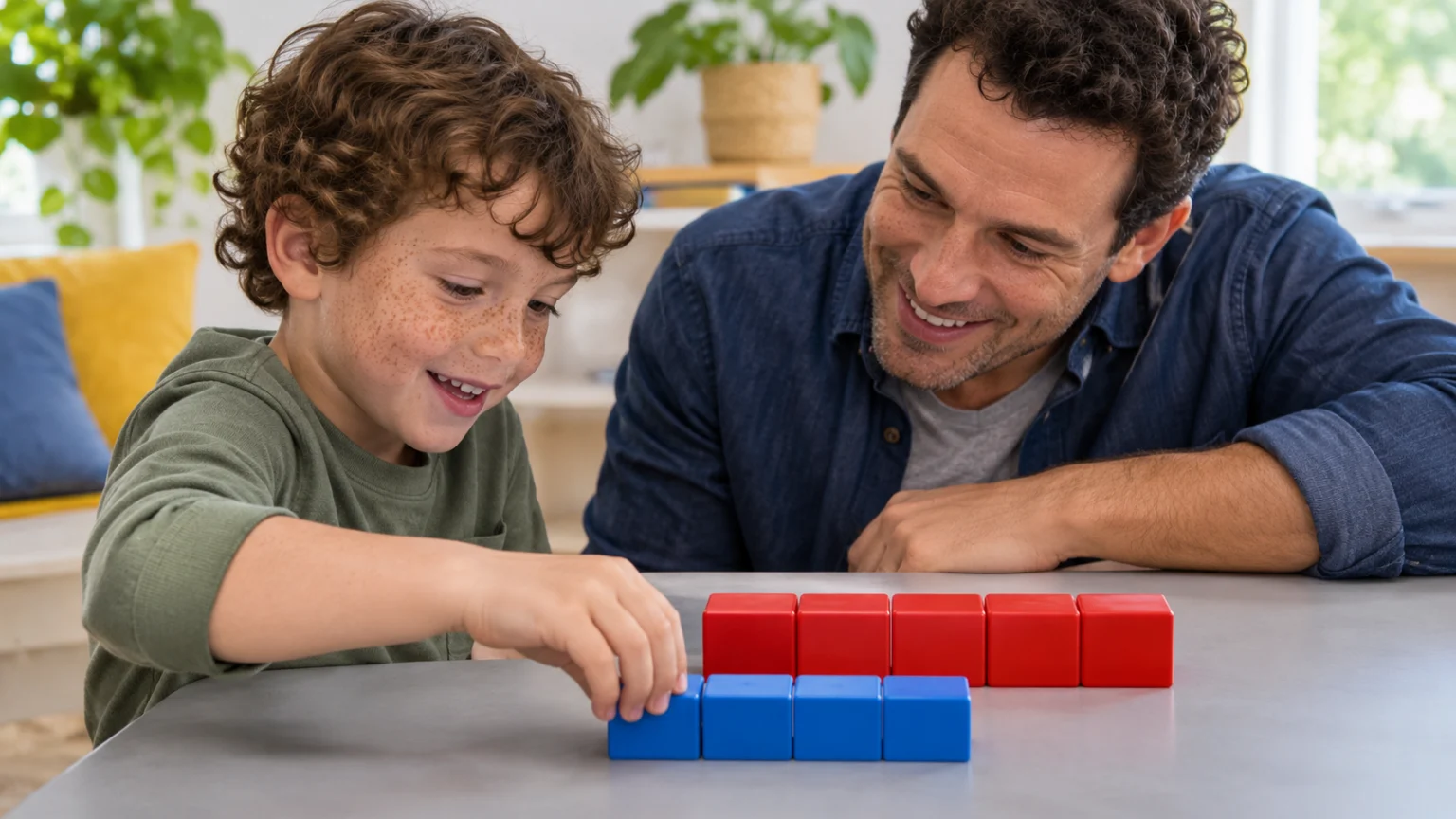
Help kindergarteners compare numbers to ten with object groups, matching pairs, and clear explanations of more, fewer, and equal before introducing symbols.
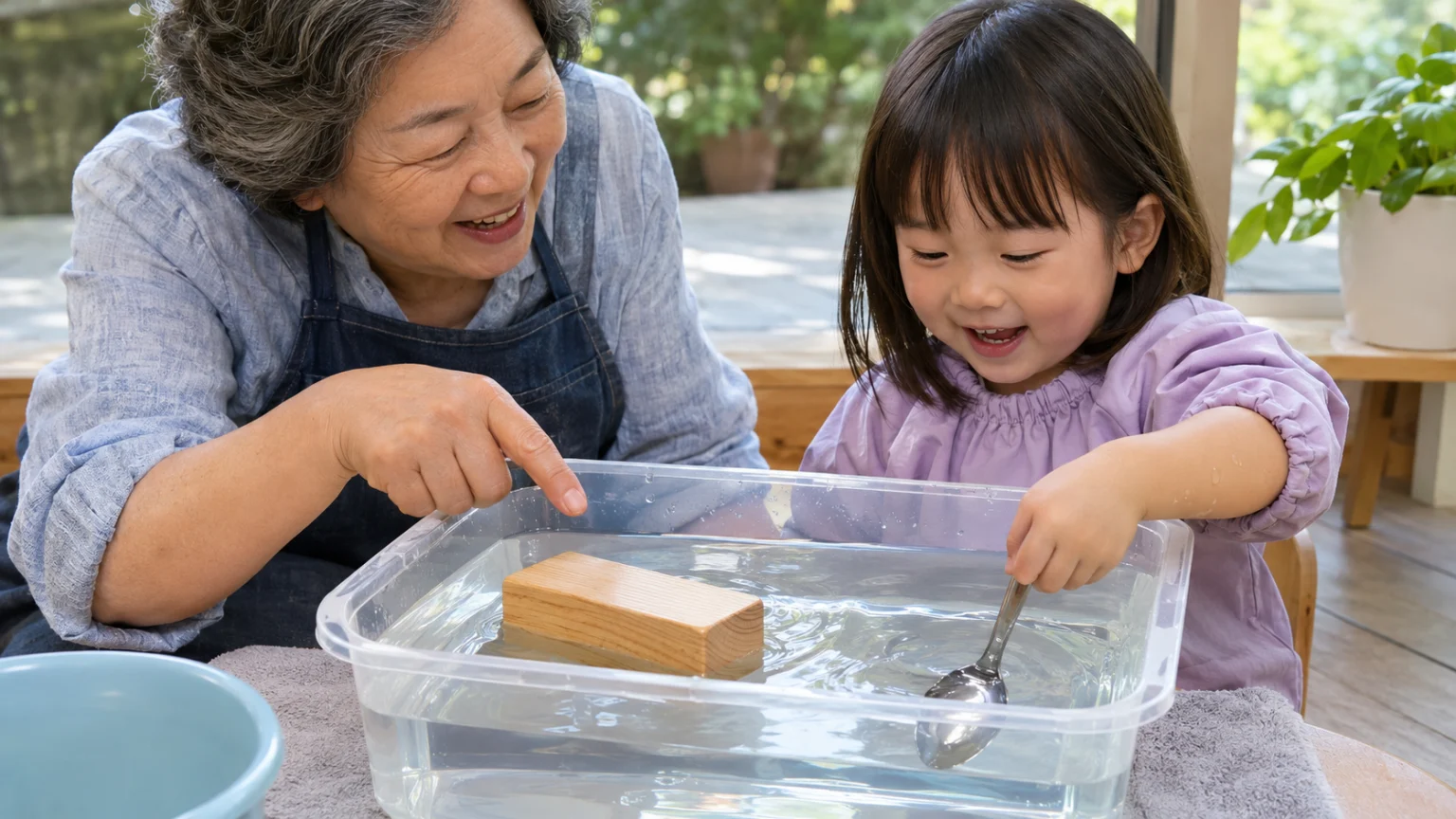
Explore sink and float with preschoolers using large objects, simple predictions, and careful observations that turn water play into a shared investigation.
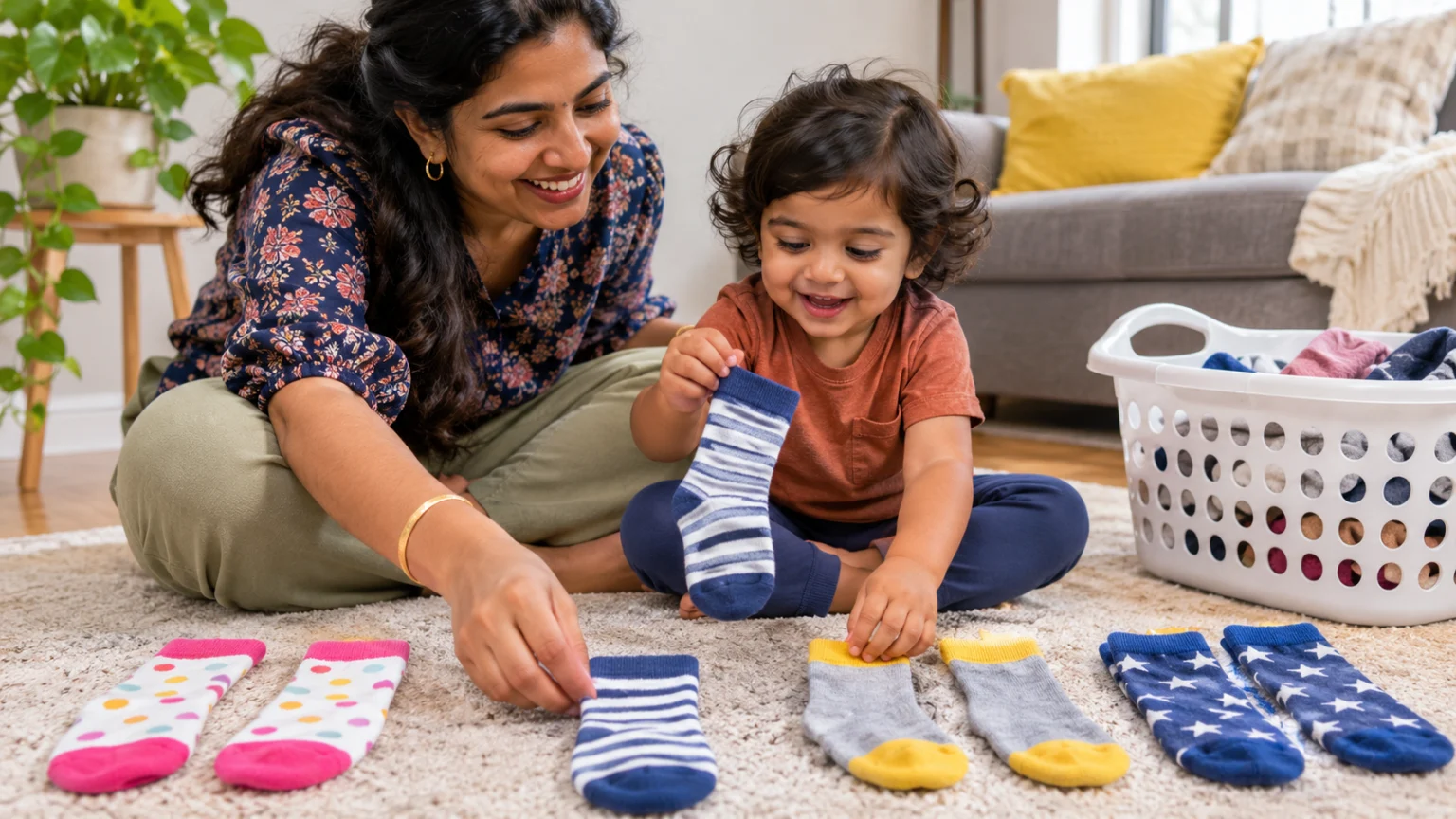
Try toddler matching games with socks. Use clear pairs, simple descriptions, and playful sorting to help your child notice similarities in familiar objects.
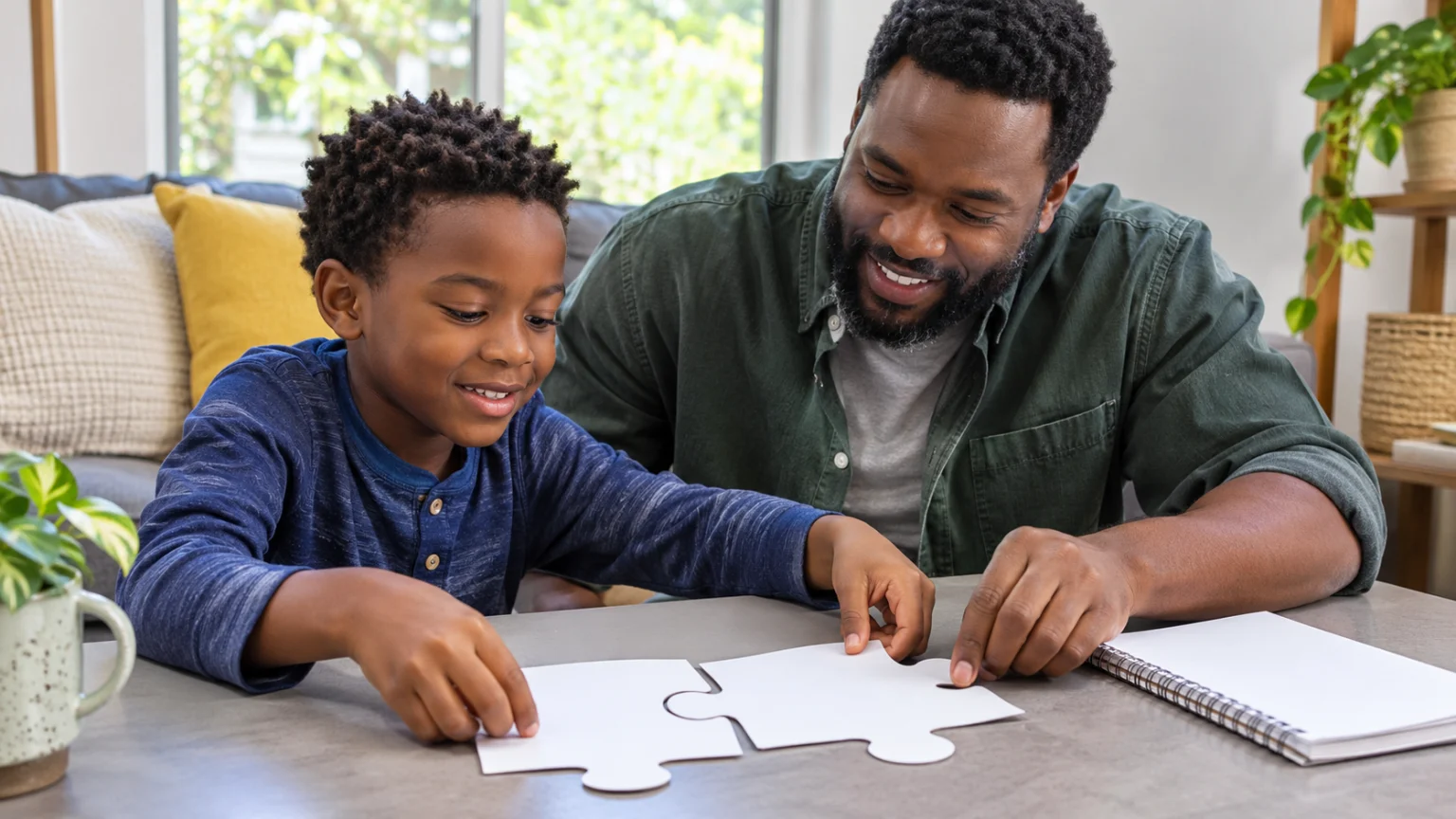
Explore second grade prefixes un and re with word building, meaning checks, and short sentences that help your child understand how a word can change.
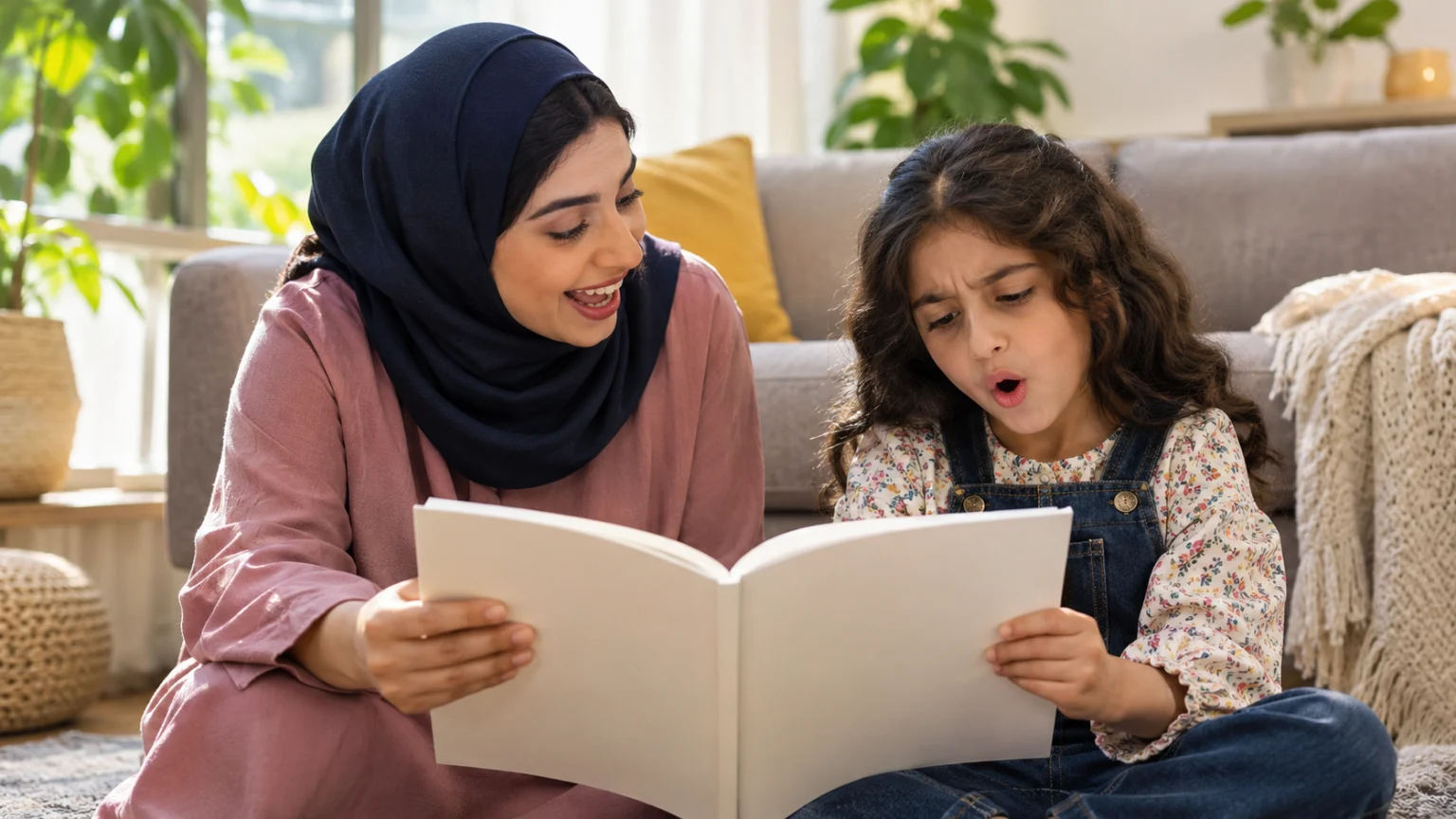
Help first graders read with expression by noticing punctuation, understanding the sentence, and practicing natural phrasing through short shared readings.