
KidsOnlineLessons Team · November 17, 2026
Second Grade Vocabulary Practice With Prefixes Un and Re
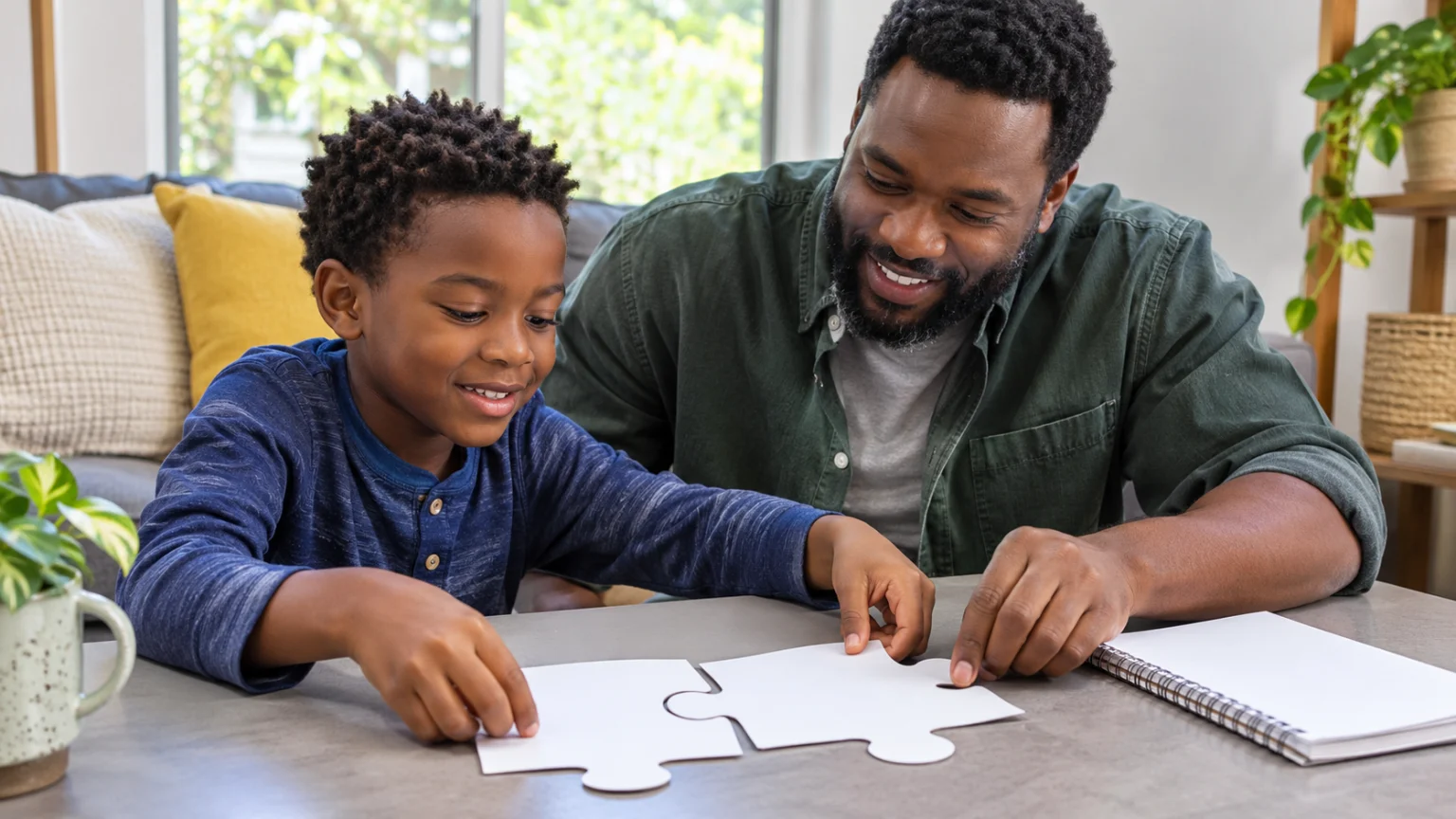
Your second grader may know “pack” and “unpack” as separate words without noticing their connection. Prefixes offer a way to explore how a small word part can change meaning. In familiar examples, un- can mean not or reverse an action, while re- often means again.
Start with a few words your child understands well. Explain that a prefix goes at the beginning of a base word. Keep both meaning and spelling in view so the activity becomes more than attaching random syllables to familiar words.
Build a clear meaning contrast with un
Write “kind” on a card and discuss an example of a kind action. Place an un card before it to make “unkind.” Explain that un- means not in this word. Ask how the new word changes the description of the action.
Then compare “pack” with “unpack.” Here un- signals reversing the action: taking things out after putting them in. Act it out with a large bag and a few safe objects to make the change visible.
Avoid defining un- as only “not” in every word. Concrete examples let your child notice related meanings without having to learn a technical explanation all at once.
Explore re as doing something again
Write “read” and “reread.” Ask what someone does when they reread a page. They read it again, perhaps to check a detail or enjoy it another time. The prefix adds a useful meaning to the base word.
Try “build” and “rebuild,” or “paint” and “repaint.” Discuss a situation for each rather than relying only on a definition. A sentence such as “We rebuilt the tower after it fell” gives the word a clear purpose.
Use a short word-building routine:
- Read the base word and explain it.
- Add the prefix and read the new word.
- Describe what changed in meaning.
- Use the complete word in a spoken sentence.
Choose real examples in advance. Not every base word combines naturally with either prefix, and an invented combination should be identified as playful experimentation.
Check the whole word in context
Offer two choices in a sentence: “The box was still closed, so we needed to pack or unpack it to take out the toys.” Ask your child to choose and explain. Then read the sentence with the selected word.
Explain that not every word beginning with the letters un or re contains a useful prefix. For example, the beginning of “uncle” does not mean not. Look for a meaningful base word and check the whole word’s meaning.
If your child decodes a word accurately but cannot explain it, supply a useful example and revisit it in another sentence.
Finish by collecting one un- word and one re- word from a shared book or conversation. Discuss them when they arise, without turning every page into a search task. For more guided vocabulary and reading activities, visit KidsOnlineLessons and sign up for a second grade learning path.