
KidsOnlineLessons Team · November 14, 2026
First Grade Short Vowel Practice With Word Chains
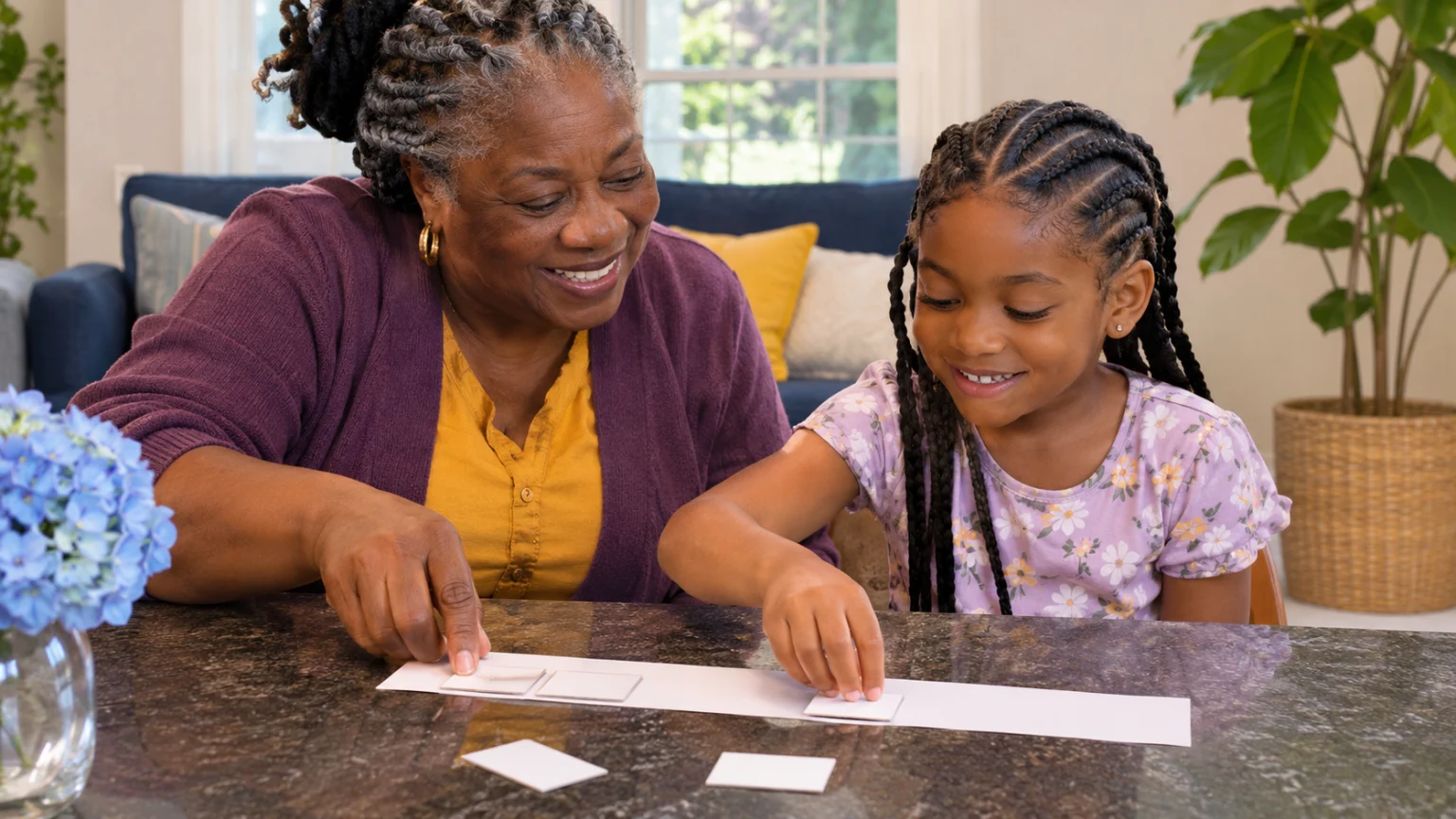
If your first grader confuses “sit” and “sat,” a short word chain can make the vowel change easier to notice. In a word chain, you change one sound at a time to create a new word. The small change directs attention to the part that matters while keeping the rest familiar.
Choose words whose spellings your child has already learned. You can use paper letter tiles or write each word on a small board. Begin with a short sequence such as “sat, sit, sip, tip,” rather than a long page of mixed practice.
Hear the change before moving a letter
Say “sat” and ask your child to repeat it. Help them identify its three sounds, then build or write the word. Read it together by looking through the letters and blending the sounds into the whole word.
Next say, “Change sat to sit. What sound changed?” Repeat both words naturally. Draw attention to the middle vowel if your child needs help. Then replace a with i and read the new word.
Keep your pronunciation clear and consistent with your family’s accent. Some vowel contrasts can vary across speech communities. Use examples that create a meaningful distinction in the way your child speaks and hears them.
Move through a short chain with careful checks
Continue from “sit” to “sip.” Ask which sound changed this time. Your child replaces the final letter, then reads the complete word. Move from “sip” to “tip,” changing the first sound.
Changing different positions helps prevent the assumption that the middle letter always needs replacing. The child should listen to the new word and inspect its spelling on every turn.
Follow the same routine each time:
- Say the current word and the new word.
- Identify the sound that changes.
- Replace the letter representing that sound.
- Read the complete new word and confirm its meaning.
If the sequence becomes confusing, stop after one successful change. You can revisit the same pair later. There is no benefit in finishing a chain while your child is guessing or losing track of the words.
Use errors to choose the next comparison
If your child changes the wrong letter, ask them to read what they built. Compare that spoken word with the target. Model the difference and help them make the correction. This keeps the feedback tied to sounds and spelling rather than a general “try again.”
When the words are accurate, place one in a short sentence. For “sip,” you might write, “I sip from a cup,” if those spellings are familiar. Ask your child to read for meaning after decoding.
Finish with your child choosing a practiced word for you to spell. Let them explain which letter would change to make another word in the chain. Teaching the pattern back can reveal useful understanding. For more sequenced phonics activities, visit KidsOnlineLessons and sign up for a first grade learning path.