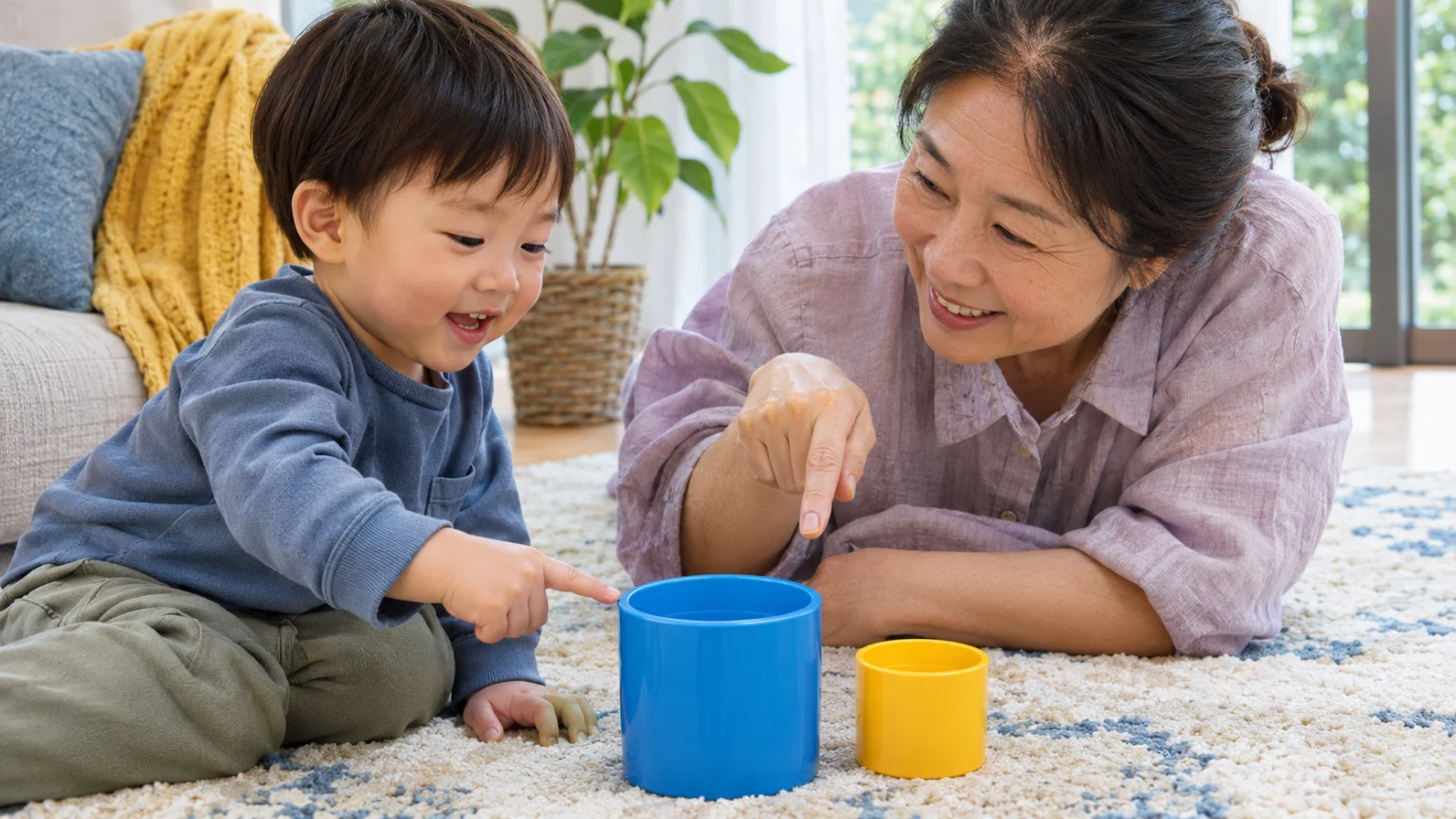
How to Teach Toddlers Big and Small With Nesting Cups
Teach toddlers big and small with nesting cups, simple comparisons, and playful language that connects size words to objects they can handle and explore.
 Join the waitlist
For parents & educators
Playful activities, practical guidance and ways to learn together.
Teach toddlers big and small with nesting cups, simple comparisons, and playful language that connects size words to objects they can handle and explore.
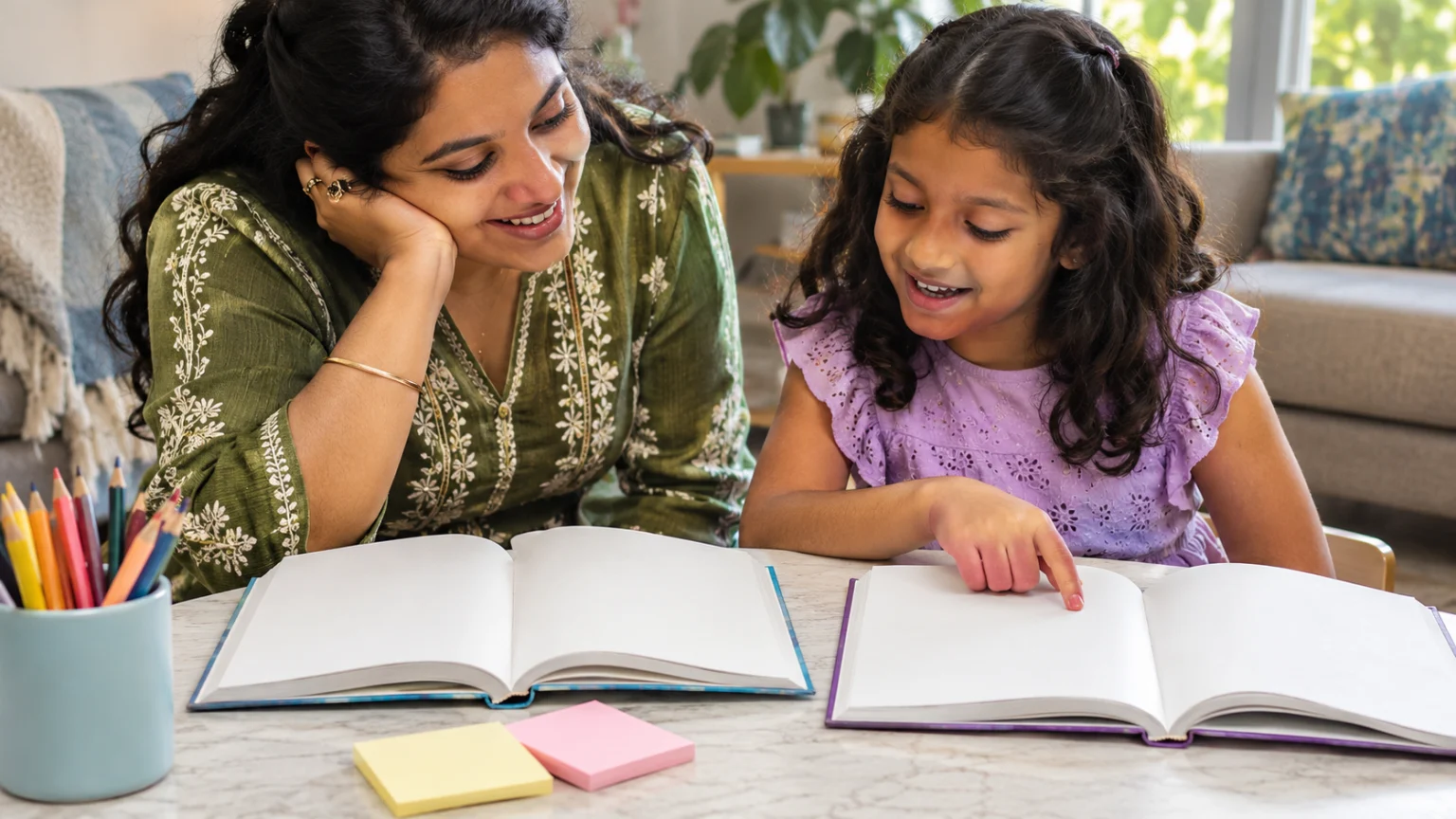
Help second graders compare two versions of a story using characters, events, and endings. Try a simple chart and questions that invite evidence from each.
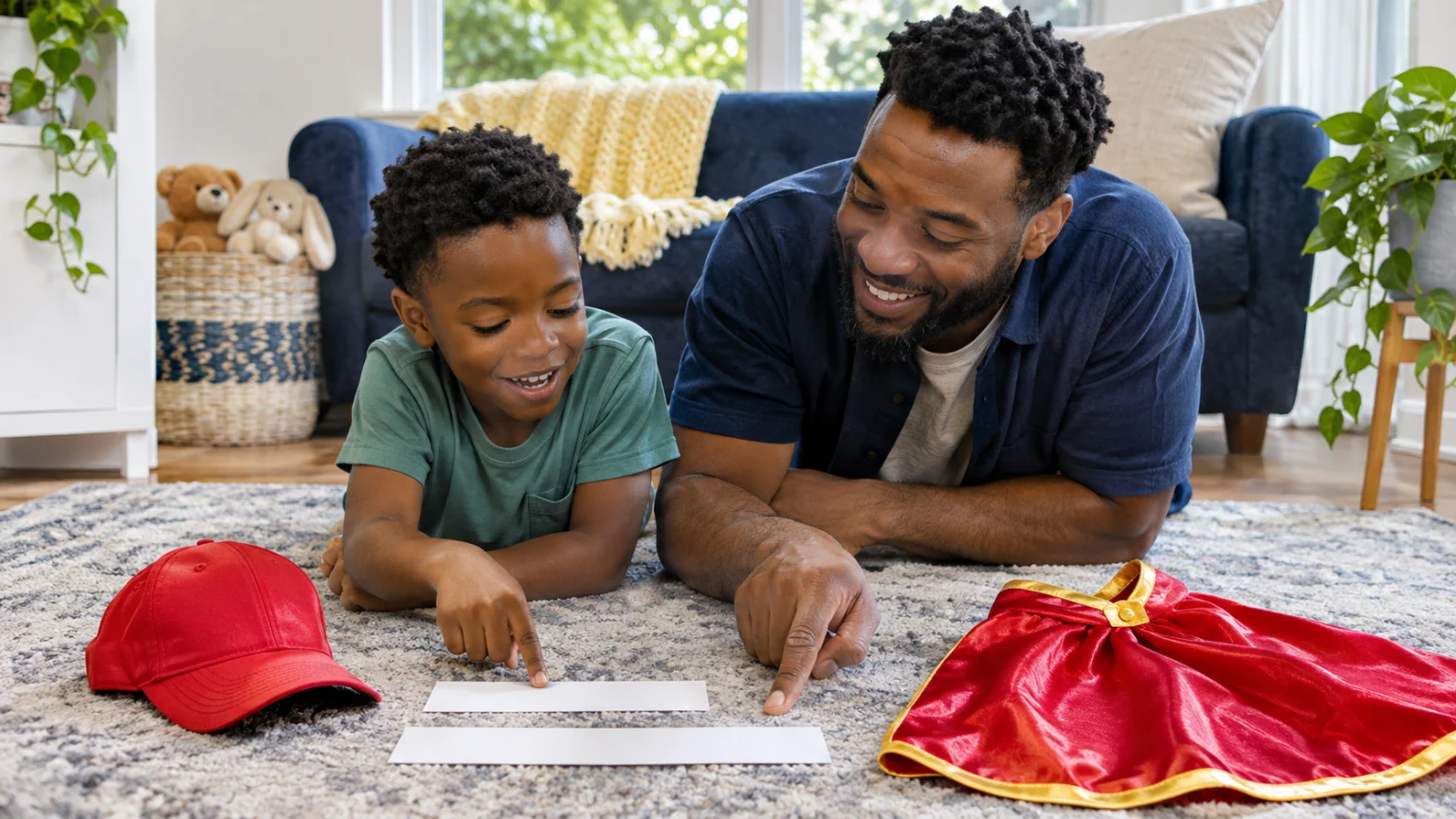
Teach first grade silent e with simple word comparisons. Help your child notice spelling changes, read the vowel pattern, and check words in short sentences.

Help kindergarteners hear the first sound in a word through spoken examples, familiar objects, and short listening games before matching sounds to letters.
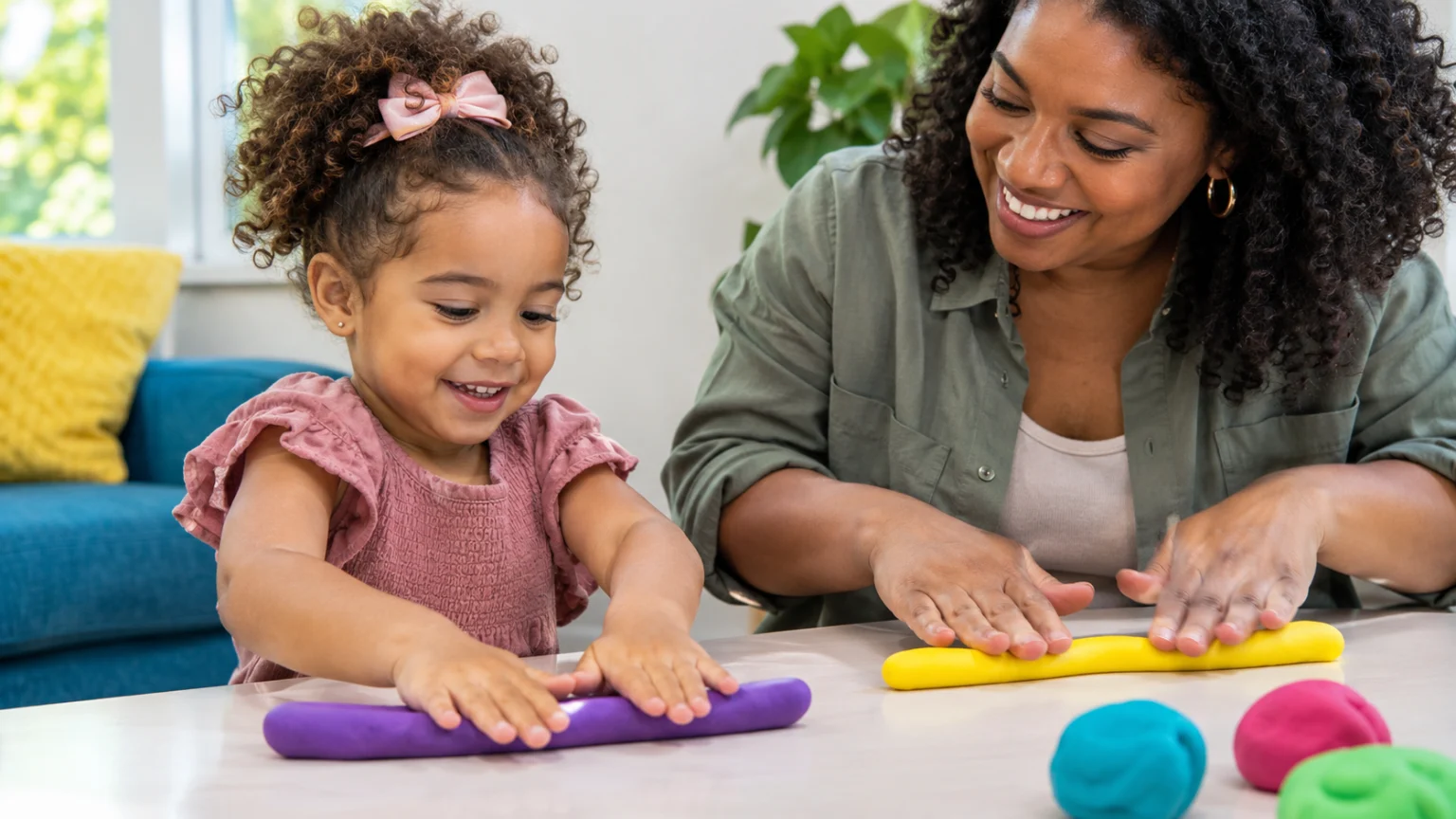
Try preschool fine motor practice with playdough snakes, gentle rolling, and simple shaping games that build purposeful hand control through creative play.

Use toy animals to build toddler sound play and early vocabulary. Try simple animal noises, shared turns, and gentle ways to follow your child’s interests.
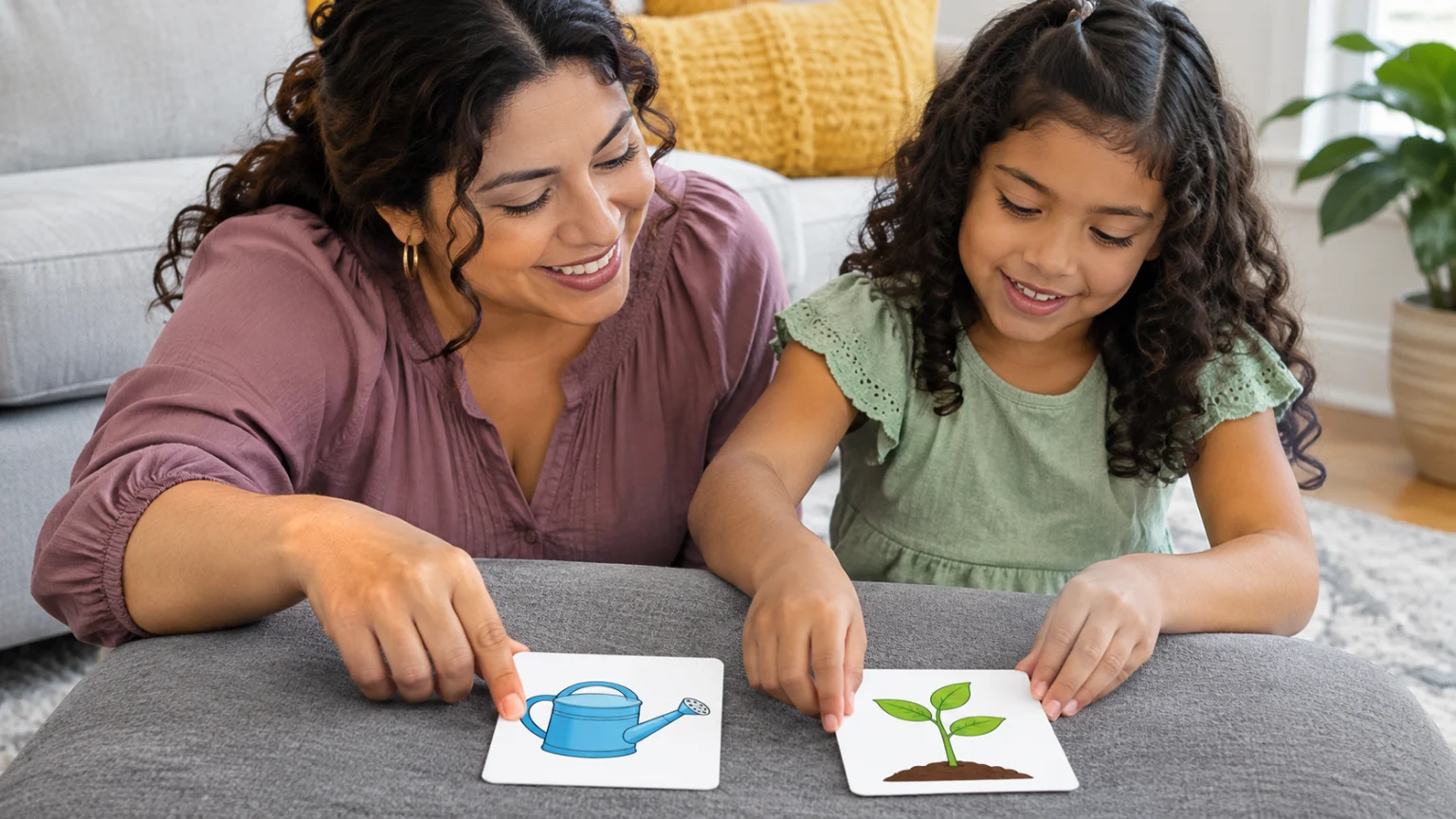
Build second grade comprehension with cause-and-effect questions, simple event chains, and text evidence that help your child explain why something happened.
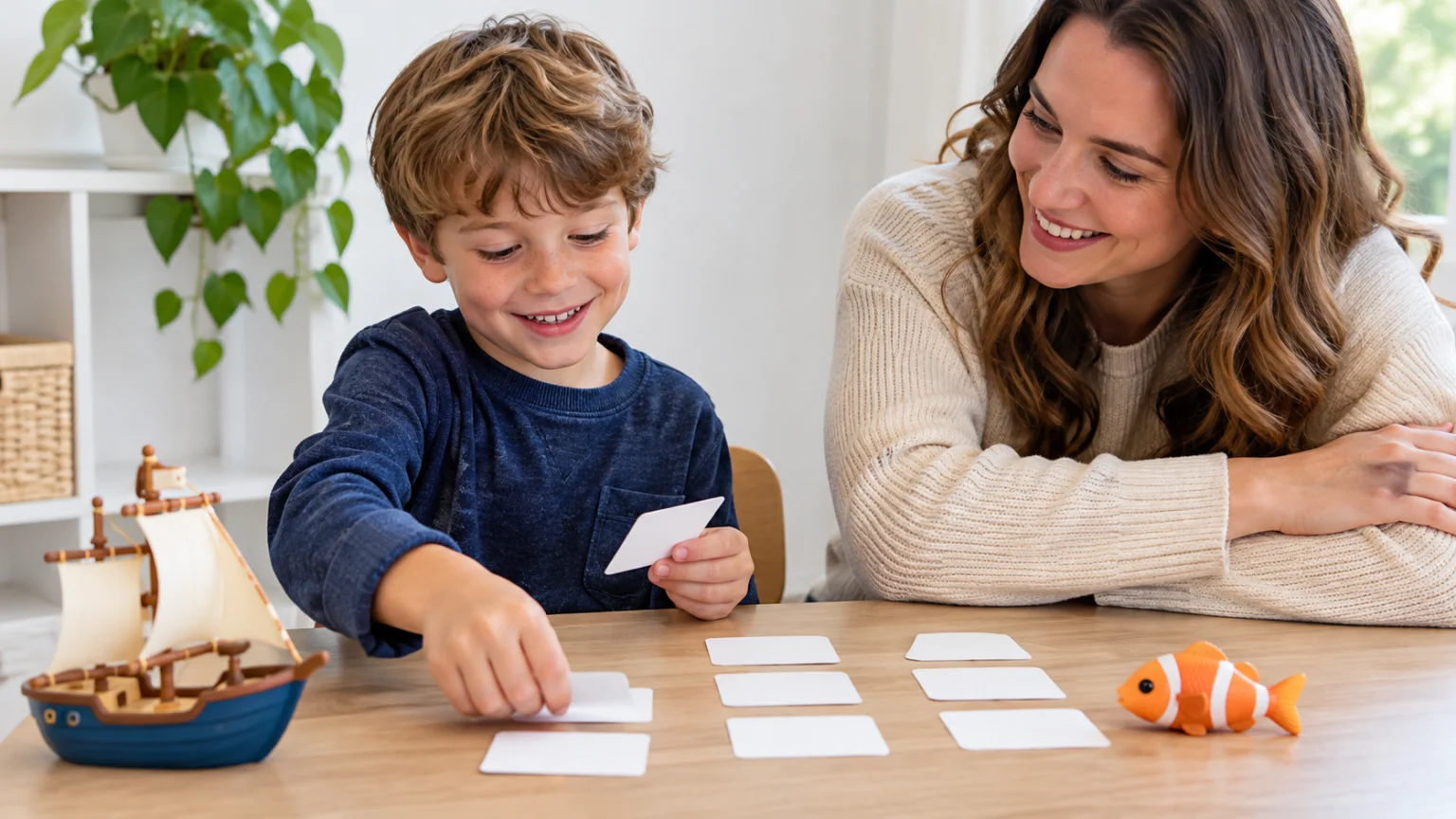
Practice first grade digraphs sh, ch, and th with clear sound models, word sorting, and short sentences that help your child connect two letters to one sound.
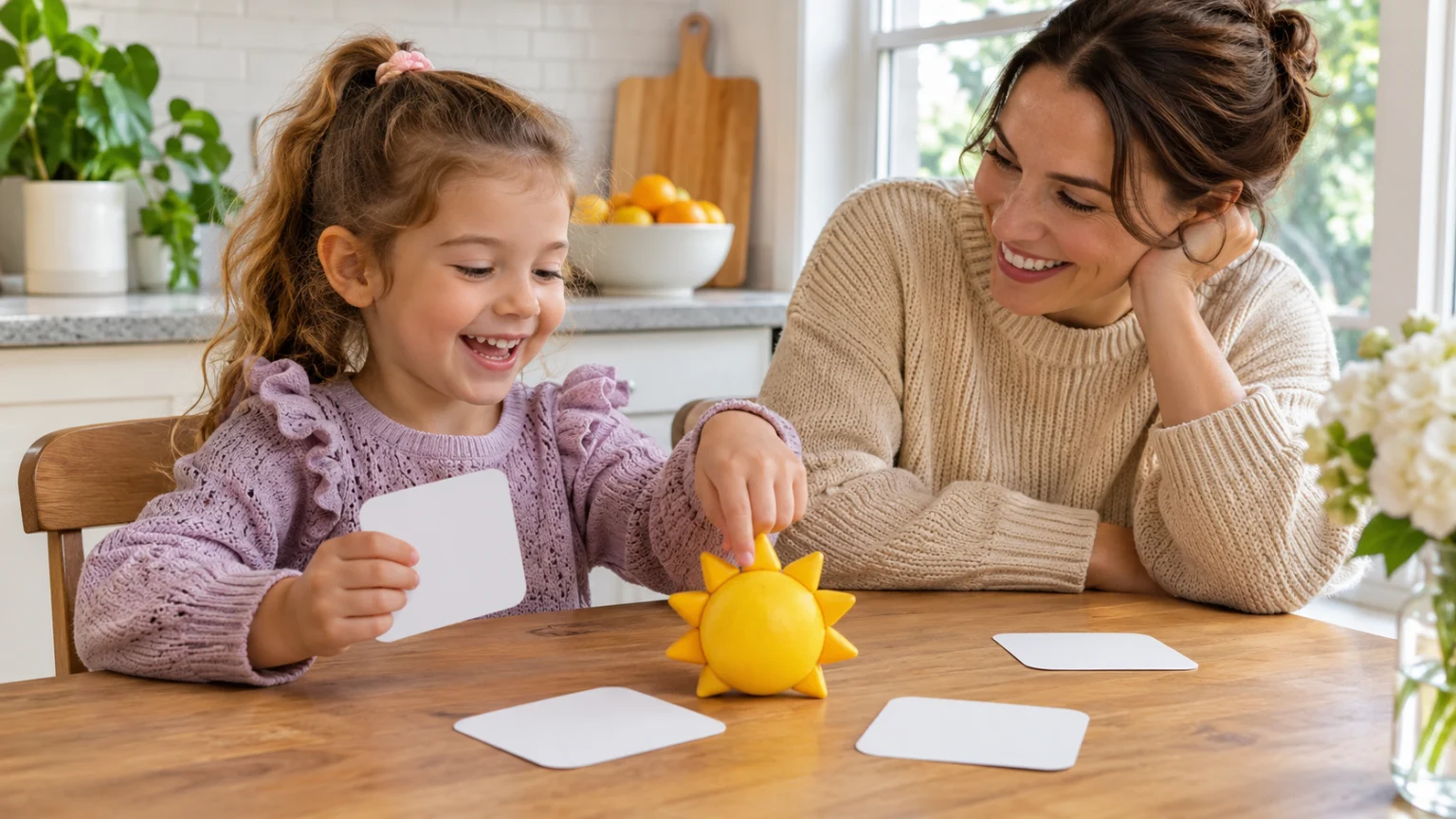
Build kindergarten letter-sound knowledge through short, playful practice with familiar letters, useful words, and clear feedback during everyday routines.
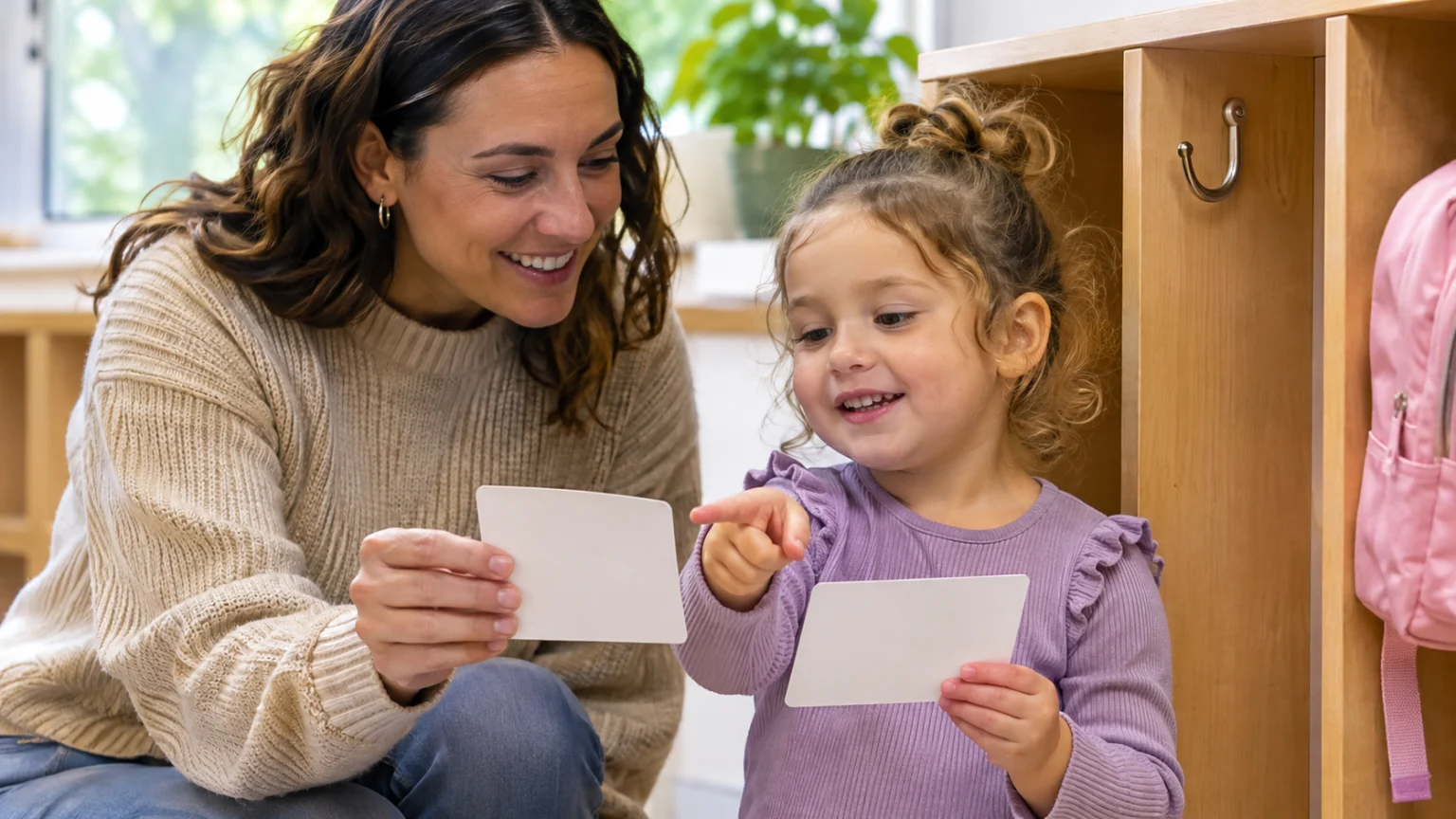
Help preschoolers recognize their own name with meaningful labels, letter comparisons, and playful searches that connect print to everyday family routines.
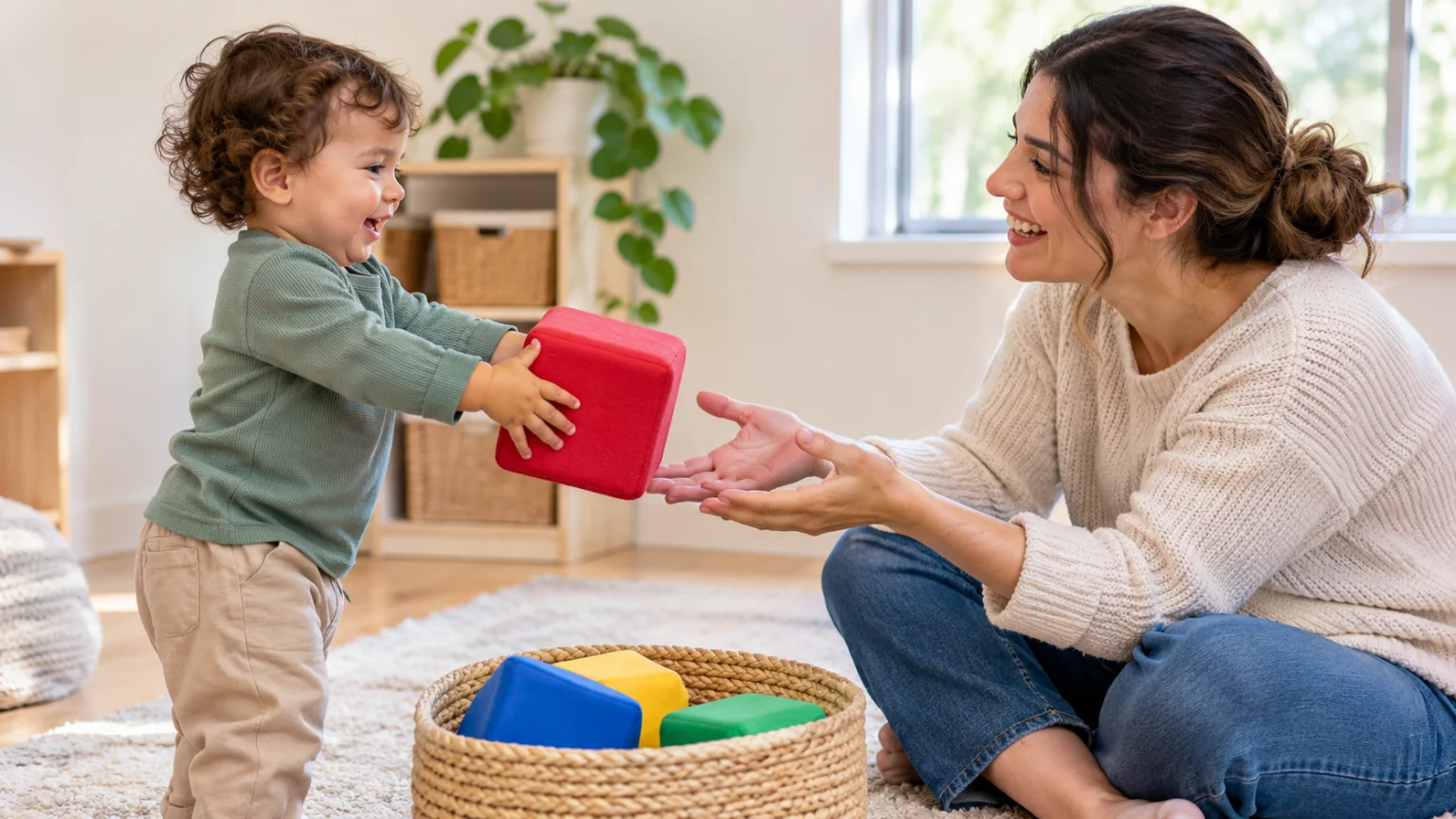
Help toddlers follow one-step directions during play with clear words, visible actions, and patient pauses that support understanding without pressure.

Help your second grader find the main idea in short nonfiction. Use key details, simple summaries, and evidence checks to build understanding at home.