Choosing Online Lessons for Kids in the United States
Start with the skill your child wants to practice and the time your family can protect for it. For a live class, check the start time in your own time zone, the class size, and what happens if you miss a session. For self-paced practice, try the device and pick a repeatable place in your routine.
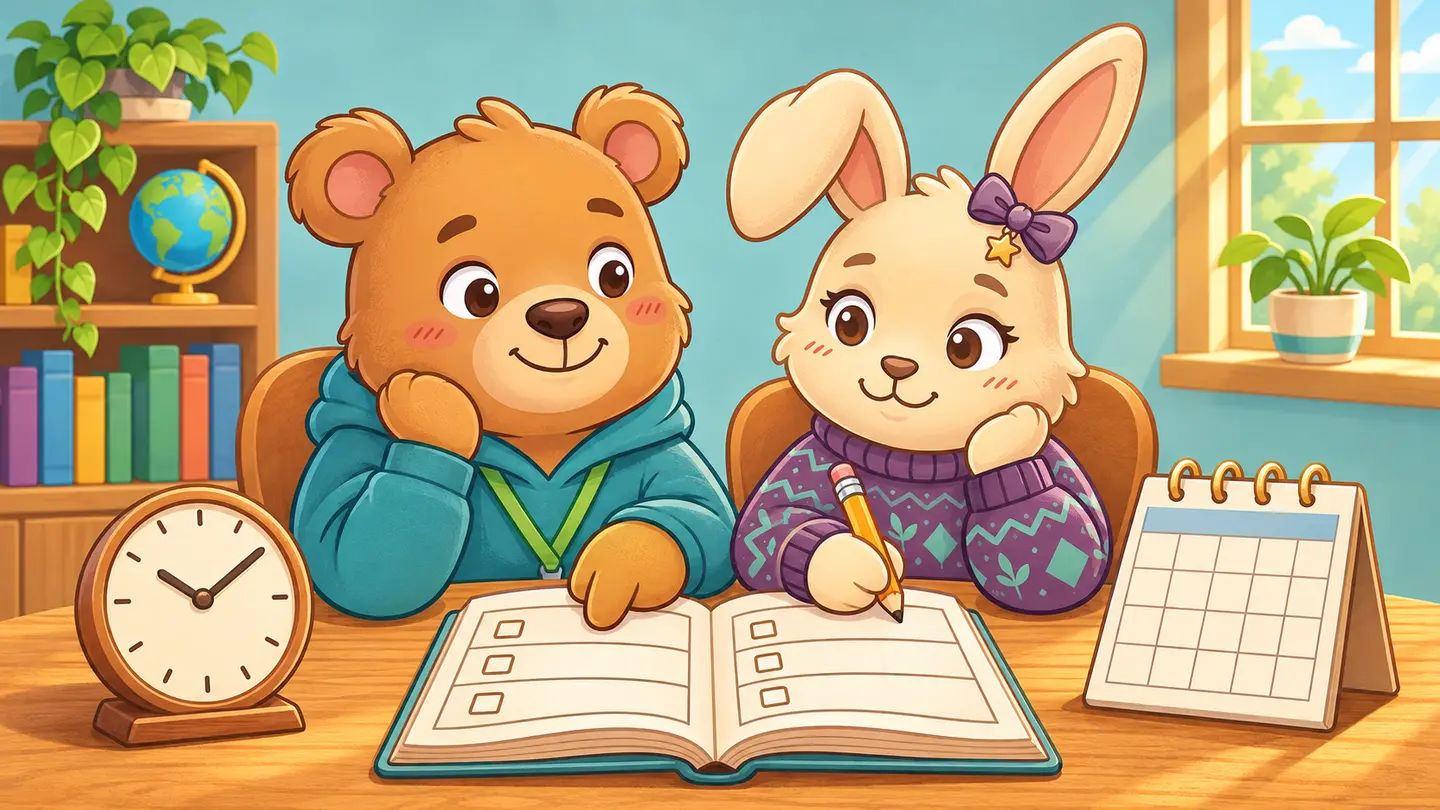
Fit a lesson into a real school week
| Family situation | What to compare |
|---|---|
| After school | Check whether a short session fits between arriving home and the next commitment. Give your child time to get settled. |
| A school break or an irregular week | Compare flexible start times, available adult help, and whether progress can carry over to another day. |
| A live group based in another state | Confirm the time shown at checkout or in the course details, including the time zone and any schedule changes around daylight saving time. |
Ask how a lesson connects to the skills your child is learning
Use the school’s description of the current skill as a starting point. For example, the Common Core kindergarten counting expectations include pairing one number word with one object. A lesson can make that visible by asking a child to move or point to each object while counting. A science lesson can build on the NGSS kindergarten example of recording observations of local weather and looking for patterns.
These examples illustrate how to compare a lesson objective with familiar U.S. expectations. Check the school’s own guidance for what it teaches and when.
Check what comes with a paid option
Ask whether the displayed amount is in U.S. dollars, what it covers, and how a provider handles missed live sessions or cancellations. Ask a teacher to show the activity your child would actually try and how the teacher checks understanding.
Use our readiness checklist or compare common online lesson formats.
Join the waitlist for Kids Online Lessons.